Technology in Interior Design: How Smart Homes Are Transforming Modern Spaces
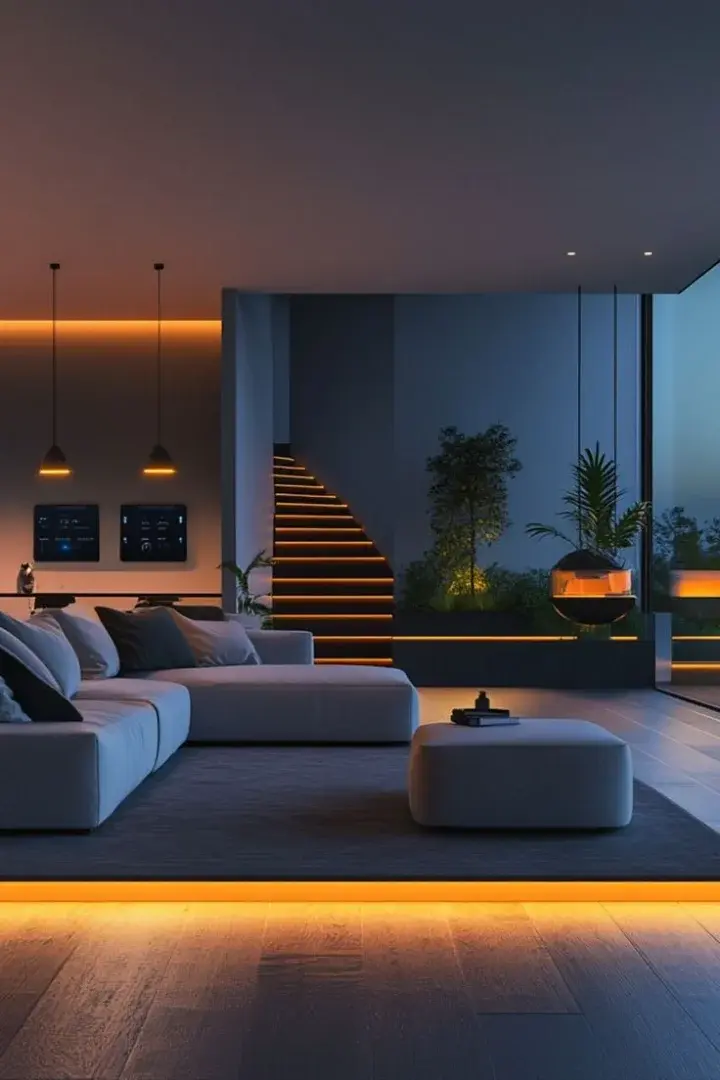
In recent years, the world of interior design has undergone a dramatic transformation driven by technology. The concept of beauty and comfort is no longer limited to colors and furniture — it now embraces intelligence, control, and flexibility offered by smart homes. Today, technology has become an essential part of the living experience, influencing the form, function, and interaction of our spaces. In this article, we explore how technology has reshaped interior design, making modern homes more comfortable, elegant, and efficient.
Technology in Interior Design: How Smart Homes Are Transforming Modern Spaces
In recent years, the world of interior design has undergone a dramatic transformation driven by technology.
The concept of beauty and comfort is no longer limited to colors and furniture — it now embraces intelligence, control, and flexibility offered by smart homes.
Today, technology has become an essential part of the living experience, influencing the form, function, and interaction of our spaces.
In this article, we explore how technology has reshaped interior design, making modern homes more comfortable, elegant, and efficient.
1. The Integration of Design and Technology
In the past, technological devices were added after a space was designed. Today, they have become an integral part of the architectural concept from the start.
Interior designers now plan not only colors and materials, but also smart wiring paths, screen placements, and interactive lighting systems.
This integration has made technology both invisible and aesthetic — enhancing design instead of disrupting it.
2. Smart Lighting: Create Multiple Moods with a Single Touch
Smart lighting is one of the most defining features of modern intelligent design.
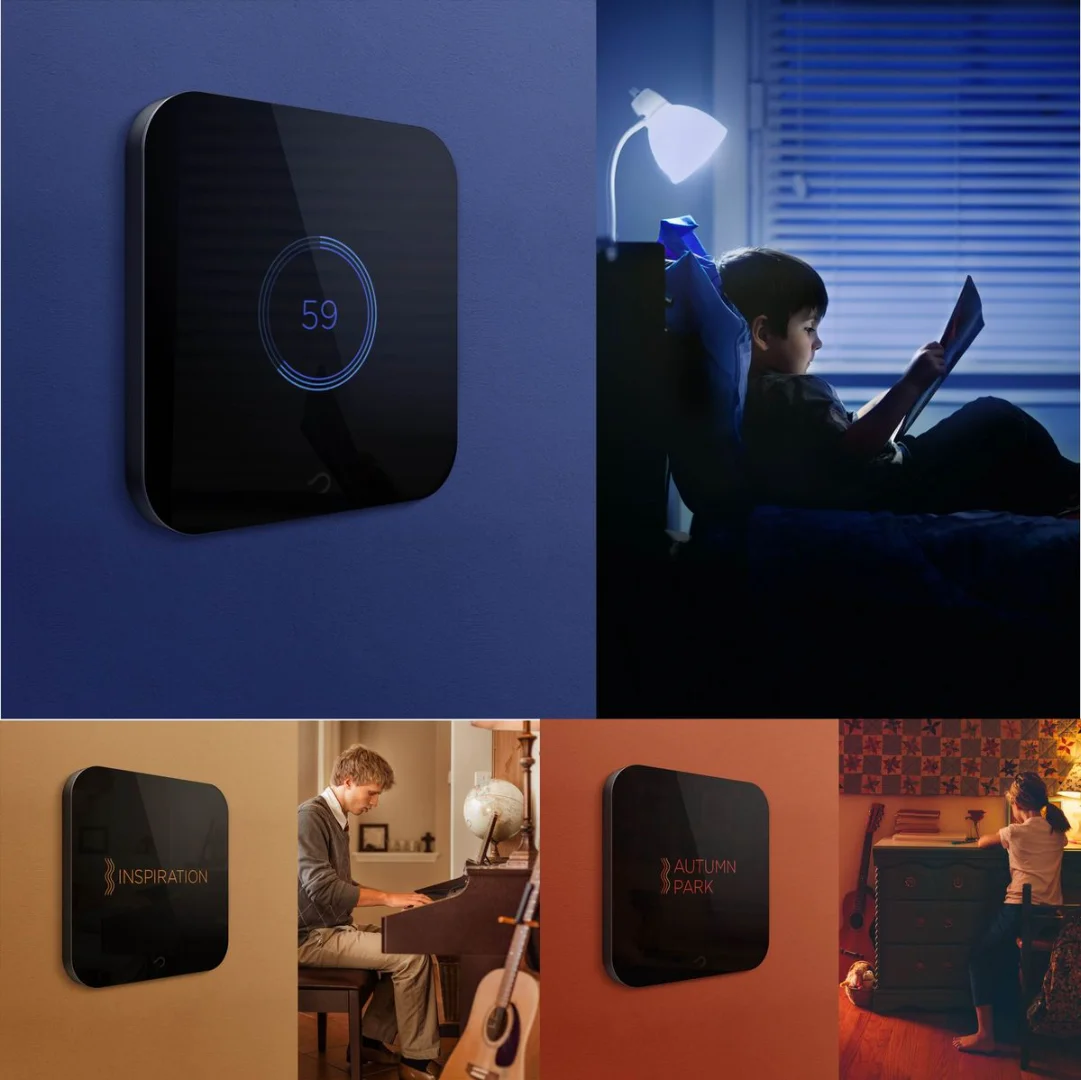
Lighting can be programmed to change according to time or activity — warm tones for relaxation and cool tones for work or study.
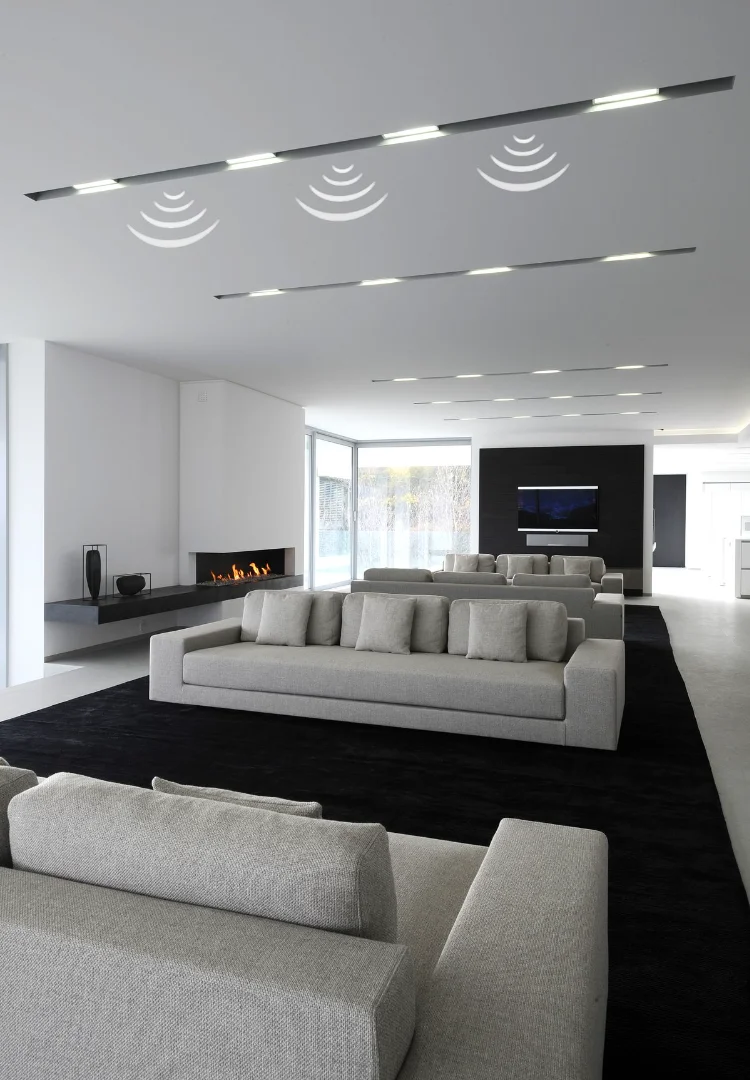
Some systems respond to voice commands or motion, turning on when you enter and off when you leave.
Lights can also be synchronized with wall colors and furniture to highlight textures and enhance mood.
The result is a dynamic and interactive atmosphere that adapts beautifully to your daily life.
3. Smart Furniture: Multi-Functional Comfort
Technology has extended beyond devices to influence furniture design itself.
Side tables now come with wireless charging ports or built-in speakers.
Modern sofas and beds include USB outlets and control panels for lighting or sound.
Some furniture can even adjust electronically for sitting, working, or resting positions.
These innovations make furniture more flexible and user-centered, perfectly suited for today’s versatile lifestyles.
4. Integrated Audio and Visual Systems
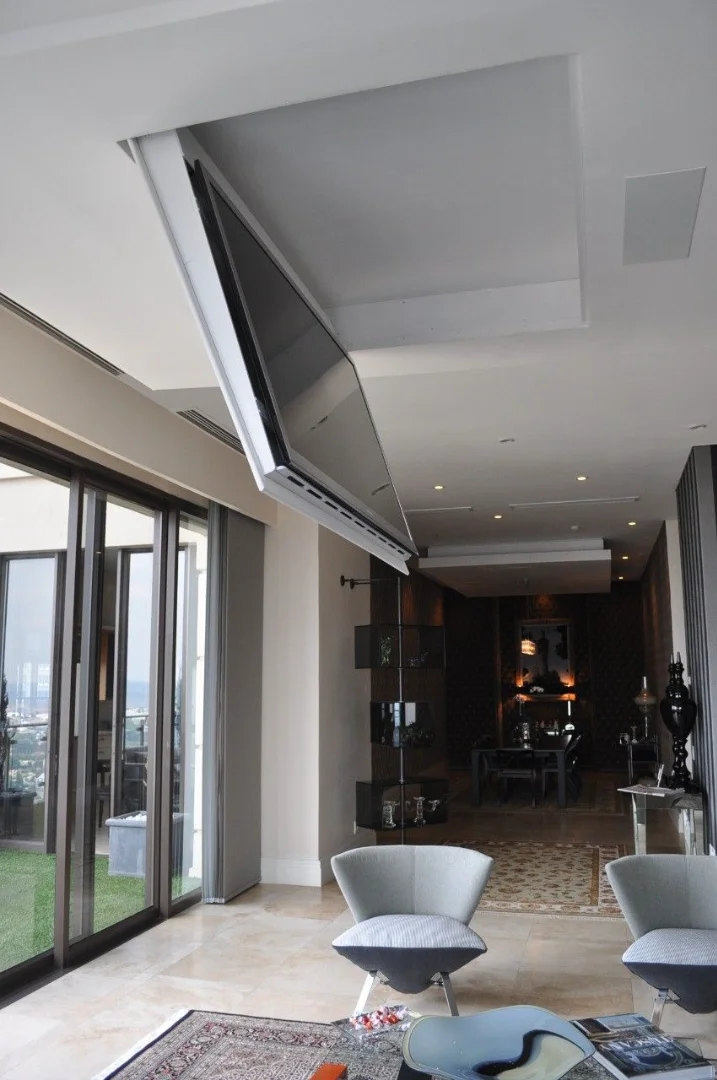
Televisions and speakers are no longer separate devices — they’ve become part of the architecture and décor.
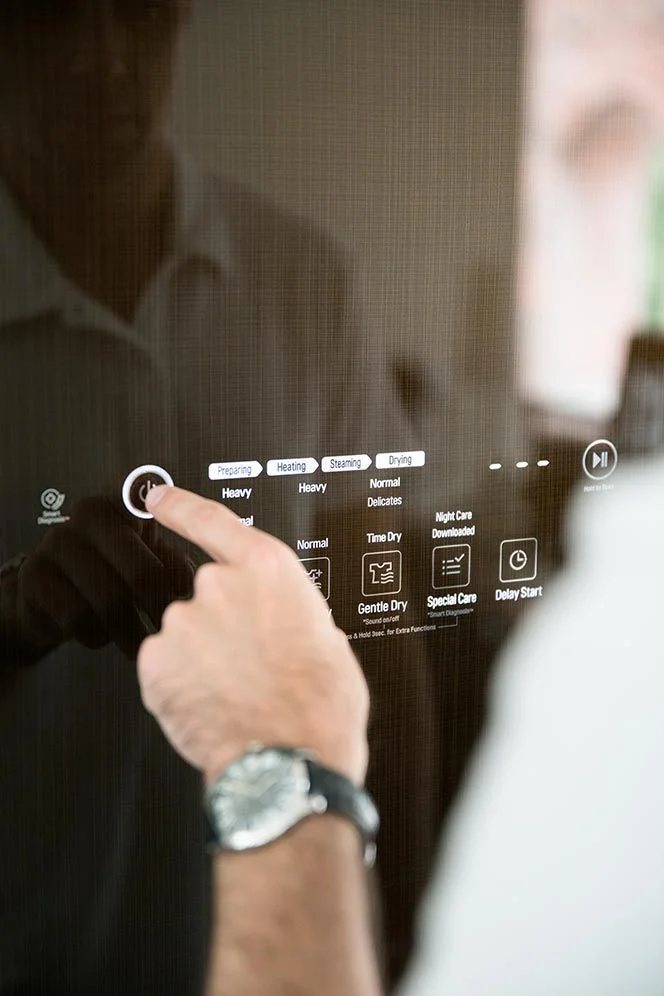
Screens can now be embedded into walls or hidden behind mirrors, appearing only when needed.
Sound systems are installed in ceilings or walls, delivering balanced audio without visual clutter.
This approach maintains a sleek, luxurious aesthetic while offering advanced functionality.
5. Smart Home Control: A More Comfortable Living Experience
Smart technology doesn’t just transform appearance — it enhances the way we live.
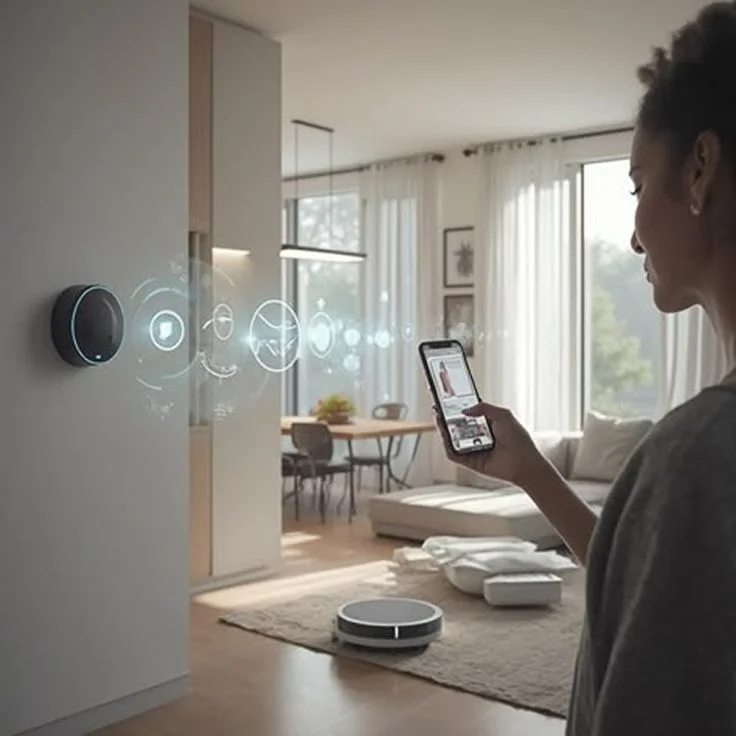
With a single app, you can control lighting, curtains, temperature, and music.
Some systems learn your routines, automatically adjusting settings for comfort and energy efficiency.
Even mirrors have become smart — displaying time, weather, and news updates as you get ready.
Such innovations make interiors more human and interactive, where the home adapts to you — not the other way around.
6. Sustainable Materials and Green Technology
Modern technology has also made interior design more eco-conscious and sustainable.
Energy-efficient lighting, smart thermostats, and eco-friendly appliances reduce electricity and water consumption.
New building technologies allow for recycled and sustainable materials without compromising style.
The result is smart, sustainable homes that combine beauty with environmental responsibility.
7. Digital Aesthetics: A Transformative Visual Experience
With the rise of digital screens and smart lighting, it’s now possible to change your interior ambiance instantly.
Smart art displays can show digital paintings that shift with time or season.
Interactive walls can alter colors or project calming natural scenes.
This evolution turns décor into a living, ever-changing experience, where design becomes fluid rather than static.
Conclusion: When Technology Redefines Beauty
Technology in interior design is no longer a luxury — it’s an essential pillar of modern living.
It merges comfort, intelligence, and artistry, creating homes that reflect contemporary lifestyles while anticipating the future.
This is the new art of design — where creativity meets innovation, redefining beauty, functionality, and the way we experience our spaces.