Decor Solutions for Rooms with Visible Columns: Smart Ideas to Turn Them into a Design Feature
Visible columns inside a room can feel like a design challenge, but with the right approach, they can become an elegant architectural feature. Discover smart ways to integrate columns into your interior design beautifully and practically.
Decor Solutions for Rooms with Visible Columns: Smart Ideas to Turn Them into a Design Feature
Visible columns inside a room are a common challenge in interior design, especially in open-plan spaces, apartments, and large living areas. At first, a column may seem like an obstacle that interrupts the furniture layout or affects the flow of the room. However, with the right design approach, it can become a beautiful and intentional part of the space.
Instead of trying to hide the column completely, it is often better to integrate it into the overall design. A visible column can be transformed into a decorative feature, a soft divider, a storage element, or even a focal point in the room.
Why Visible Columns Can Be Challenging
Structural columns are usually essential parts of the building and cannot be removed. This means the best solution is not to fight against them, but to work with them.
A poorly treated column can make a room feel unbalanced or visually interrupted. It may affect furniture placement, movement, or the connection between different areas. But when designed properly, the column can add depth, character, and elegance to the interior.
Cover the Column with a Stylish Material
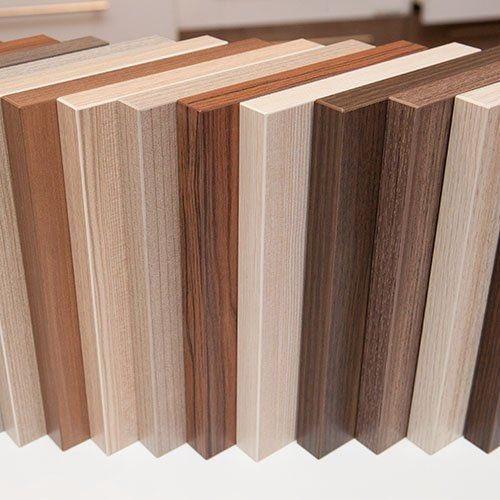
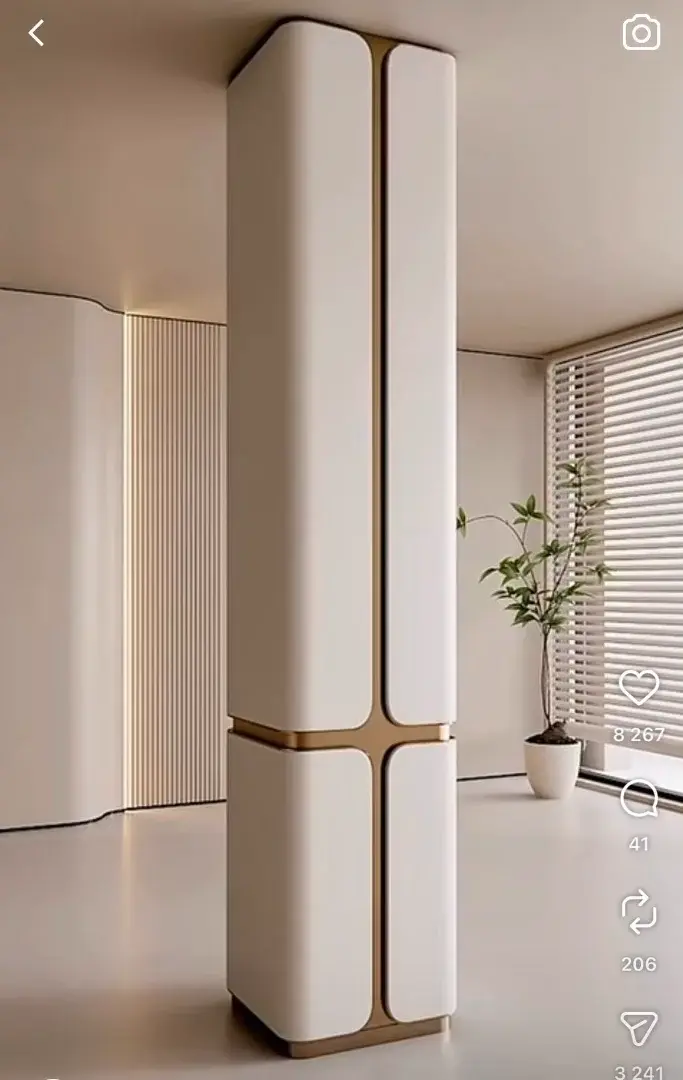
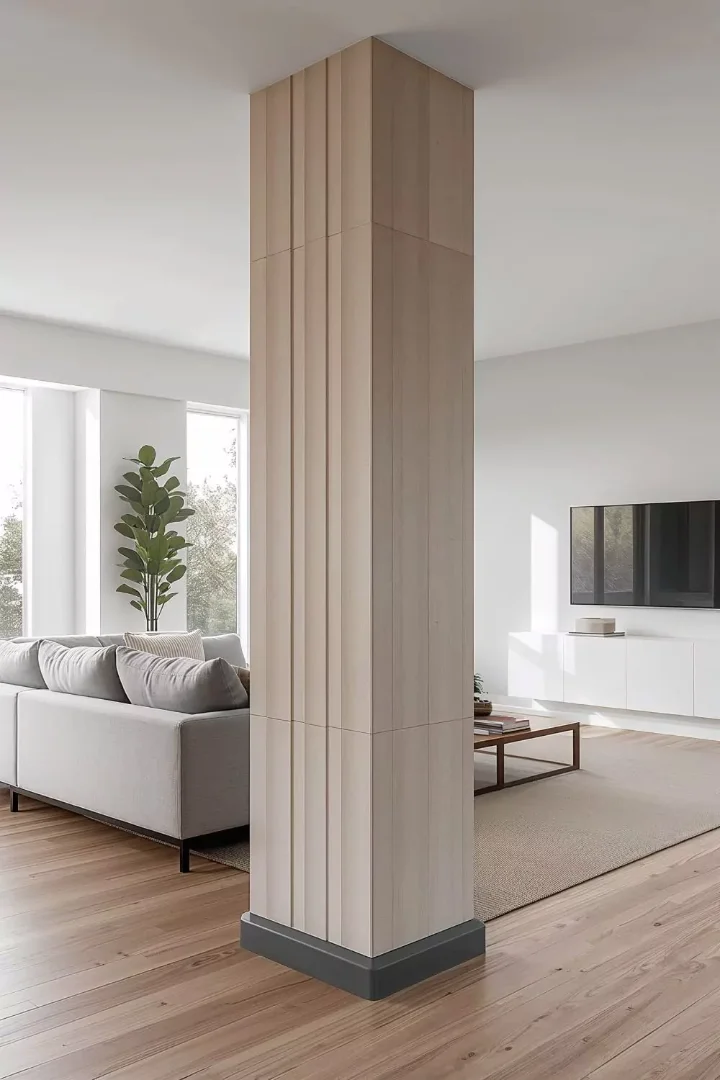
One of the easiest ways to enhance a visible column is by covering it with a different material. Wood, marble, stone, fluted panels, wall cladding, or paint effects can all make the column look intentional and refined.
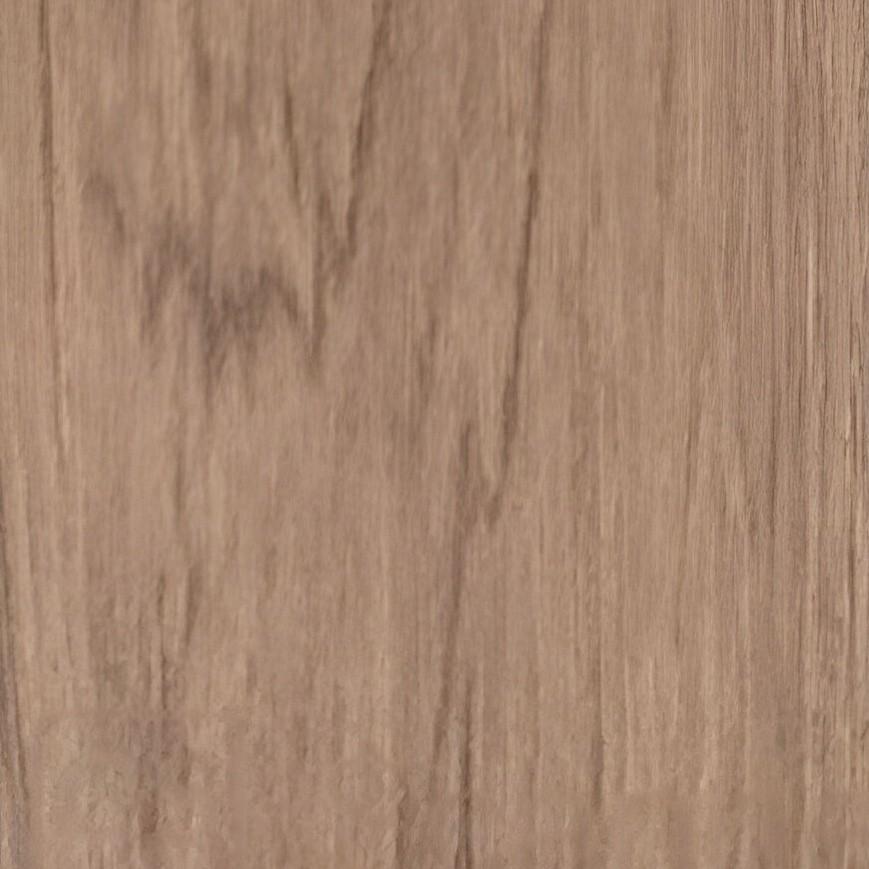
Wood cladding works beautifully in modern, organic, and warm interiors. Marble or stone gives a more luxurious look, especially in classic, neo-classic, or elegant modern spaces. For a softer result, the column can be painted in a slightly different shade from the surrounding walls.
Turn the Column into a Space Divider
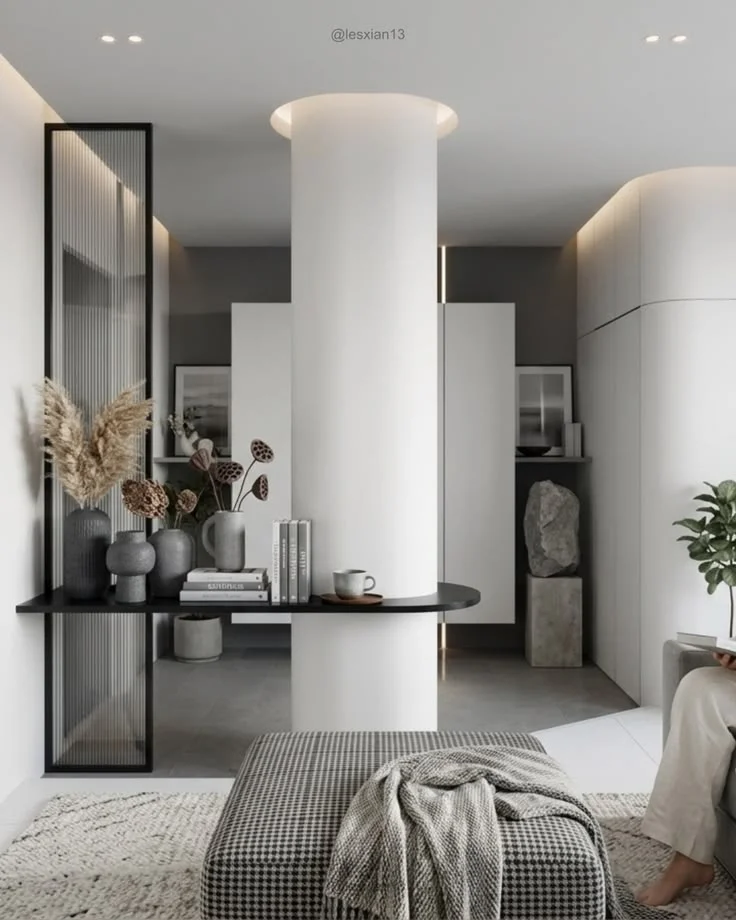
If the column is located between the living area and dining area, or between the entrance and the lounge, it can be used as a soft visual divider.
You can add wooden slats, open shelves, or a light decorative partition around the column to define the zones without closing the space. This is especially useful in open-plan homes where each area needs to feel organized while still connected.
Integrate the Column with Storage
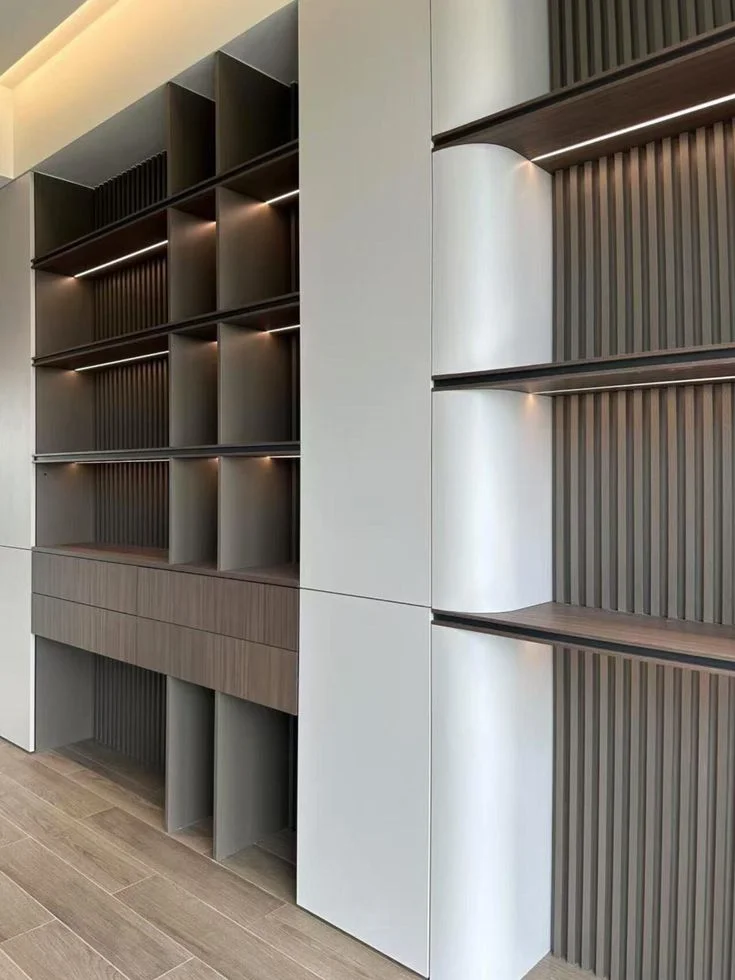
A visible column can become part of a practical storage solution. If it is close to a wall or located in an unused corner, you can build shelves around it for books, accessories, plants, or decorative objects.
In living rooms, the column can be connected to a TV unit or a side cabinet. In entrances, it can become part of a console area or display unit. This makes the column useful instead of leaving it as an awkward architectural element.
Use Lighting to Highlight the Column
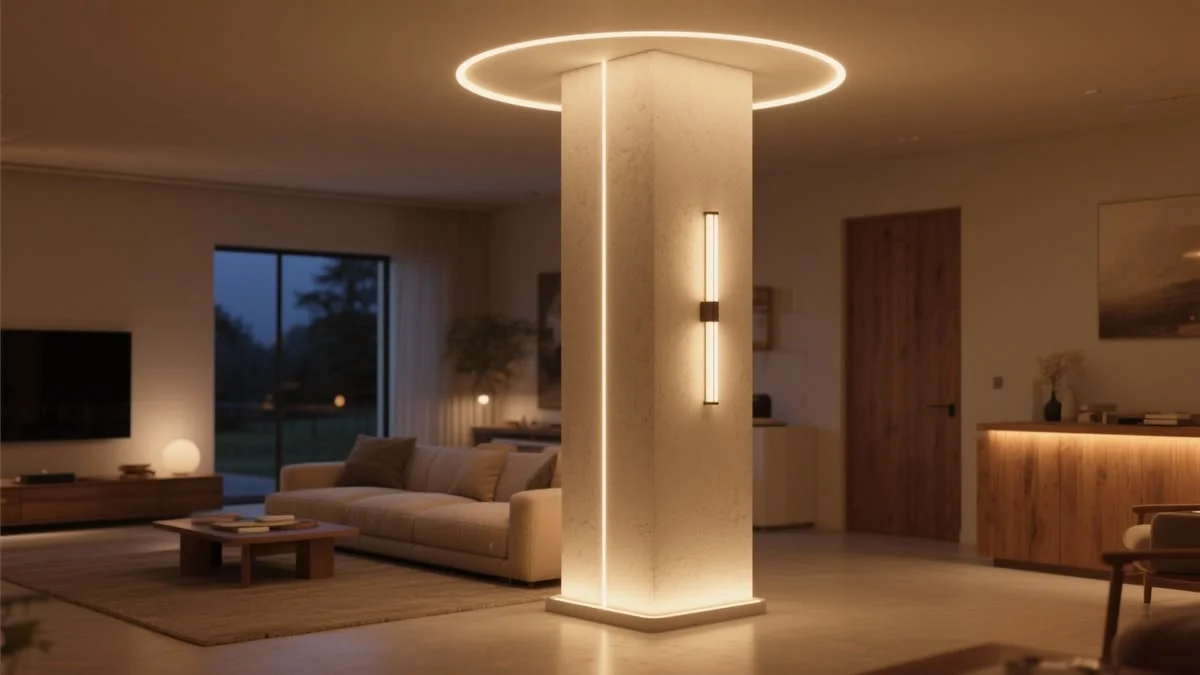
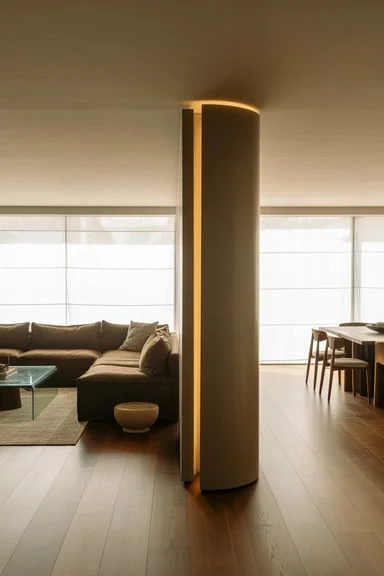
Lighting can completely change the way a column looks. Hidden LED lighting, wall lights, or directed spotlights can make the column feel more elegant and visually important.
Warm lighting works especially well with wood, stone, or textured finishes. It can also create a beautiful focal point in the room and make the column feel like a planned design detail.
Paint the Column the Same Color as the Walls
Sometimes the best solution is to make the column blend into the room rather than stand out. Painting it the same color as the walls can reduce visual clutter, especially in small rooms or minimalist interiors.
This approach is ideal when the space already has strong design elements, such as a statement sofa, artwork, wallpaper, or a feature wall. In this case, keeping the column simple helps maintain balance.
Turn the Column into an Artistic Feature
A column can also become a creative design element. You can use wallpaper, decorative paint, mirrors, textured panels, or small wall accessories to give it personality.
The key is to keep the design connected to the rest of the room. The column should not look random or overdecorated. It should complement the furniture, curtains, rugs, lighting, and overall style.
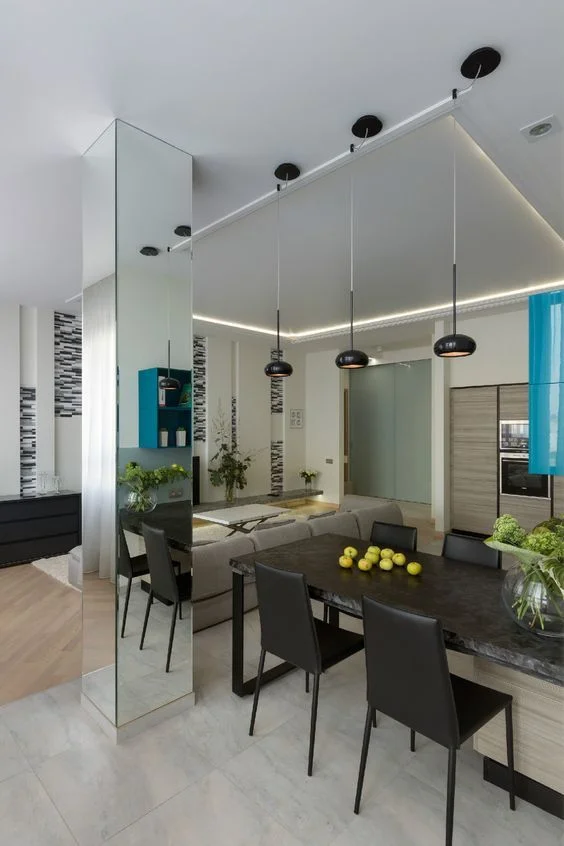
Use Mirrors Around the Column
Mirrors are a smart solution for visible columns, especially in small or narrow spaces. Covering part of the column with mirrors helps reflect light and creates a sense of openness.
This idea works well in entrances, dining rooms, and compact living areas. You can use simple full-height mirrors for a modern look or framed mirrors for a more decorative style.
Connect the Column with Furniture
Another practical solution is to arrange the furniture in a way that makes the column feel connected to the room layout. You can place an accent chair beside it, add a side table, use a tall indoor plant, or create a small reading corner around it.
The goal is to avoid leaving the column isolated. When it is visually connected to furniture or accessories, it feels more intentional and less like a design problem.
Mistakes to Avoid
Avoid covering the column with too many materials or details, as this can make the room feel crowded. Also, avoid using a very bold color unless it matches the design concept of the space.
Do not place oversized furniture around the column if it blocks movement or makes the area uncomfortable. The best design solution should always balance beauty, function, and circulation.
Conclusion
Visible columns do not have to be a problem in interior design. With smart planning, they can become a beautiful architectural feature that adds character to the room.
Whether you choose to cover the column with a stylish material, add lighting, use mirrors, connect it with storage, or blend it with the wall color, the most important thing is to treat it as part of the design. With the right approach, a visible column can become one of the most attractive elements in the space.