Technology in Interior Design: How Smart Homes Are Transforming Modern Living
Over the past decade, technology has revolutionized interior design, redefining the way we live, decorate, and interact with our spaces. No longer is beauty defined only by colors, textures, or furniture — now, comfort, intelligence, and connectivity play a central role in shaping the modern home. Smart homes represent the perfect fusion between design and innovation, creating environments that are not only aesthetically pleasing but also responsive and efficient. Here’s how technology is changing the face of interior design and making our homes smarter, sleeker, and more human.
Technology in Interior Design: How Smart Homes Are Transforming Modern Living
Over the past decade, technology has revolutionized interior design, redefining the way we live, decorate, and interact with our spaces.
No longer is beauty defined only by colors, textures, or furniture — now, comfort, intelligence, and connectivity play a central role in shaping the modern home.
Smart homes represent the perfect fusion between design and innovation, creating environments that are not only aesthetically pleasing but also responsive and efficient.
Here’s how technology is changing the face of interior design and making our homes smarter, sleeker, and more human.
1. The Integration of Design and Technology
In the past, technology was added after the design phase. Today, it’s part of the design from the very beginning.
Interior designers plan the placement of smart devices, hidden wiring, lighting systems, and automated controls right alongside materials and color palettes.
This integration allows technology to become a seamless, invisible design element — enhancing the space instead of overpowering it.
The result is a cleaner, more cohesive look that feels sophisticated and effortlessly functional.
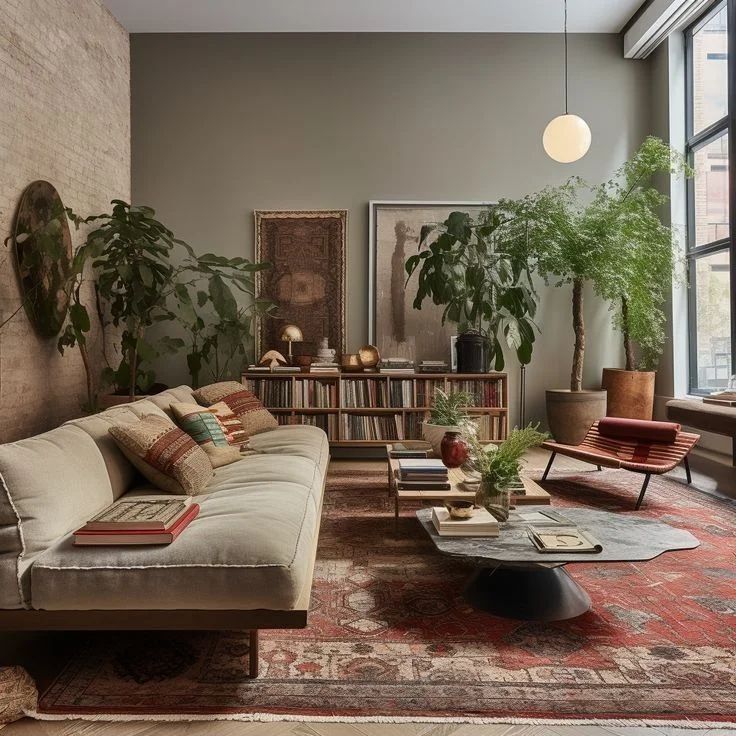
2. Smart Lighting: Designing with Mood and Control
Lighting has always been a key element of interior design — but smart lighting has taken it to a new level.
Adjust brightness and color tones to match the time of day or activity: warm light for relaxation, cool light for focus.
Motion sensors and voice control make it possible to turn lights on or off without touching a switch.
Integration with wall colors and furniture highlights textures and creates immersive moods.
With a single tap or voice command, your lighting can transform your space — and your mood — instantly.
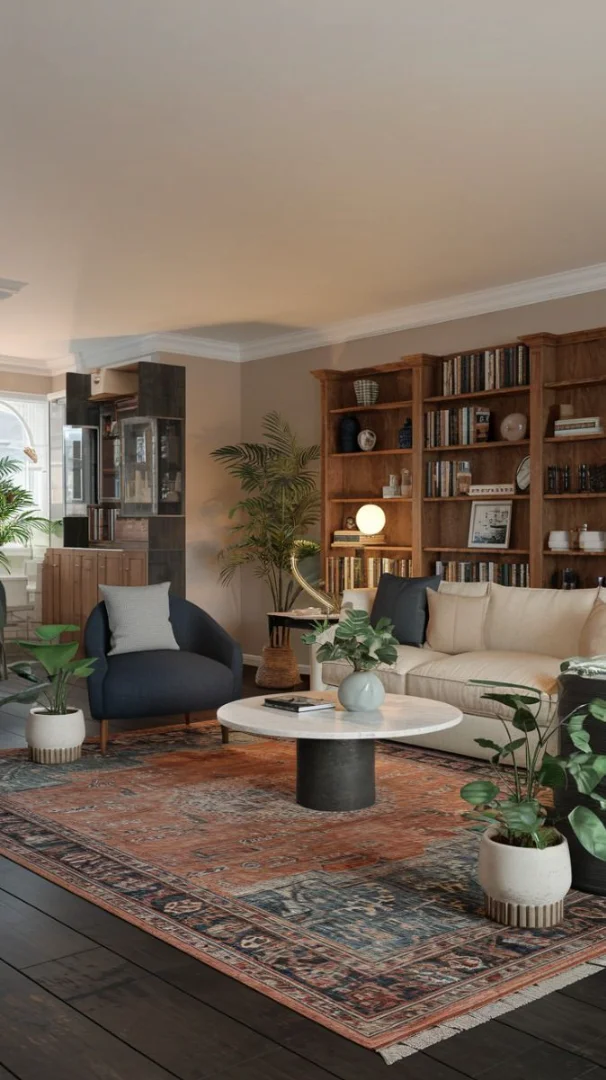
3. Smart Furniture: Functionality Meets Innovation
Technology has found its way into furniture, creating pieces that are as intelligent as they are beautiful.
Side tables with wireless charging or built-in Bluetooth speakers.
Sofas and beds equipped with USB ports or lighting controls.
Adjustable desks and recliners that respond to your preferred posture at the touch of a button.
This new generation of furniture redefines comfort, adapting to modern lifestyles that blend work, relaxation, and entertainment in one
space.
4. Integrated Audio-Visual Systems
Screens and speakers are no longer bulky distractions — they’re integrated design features.
TVs can now be hidden within walls or behind mirrors, appearing only when needed.
Sound systems are embedded in ceilings and walls, creating a balanced acoustic experience without visible clutter.
This minimalist integration preserves the elegance of the interior while maintaining full entertainment functionality.
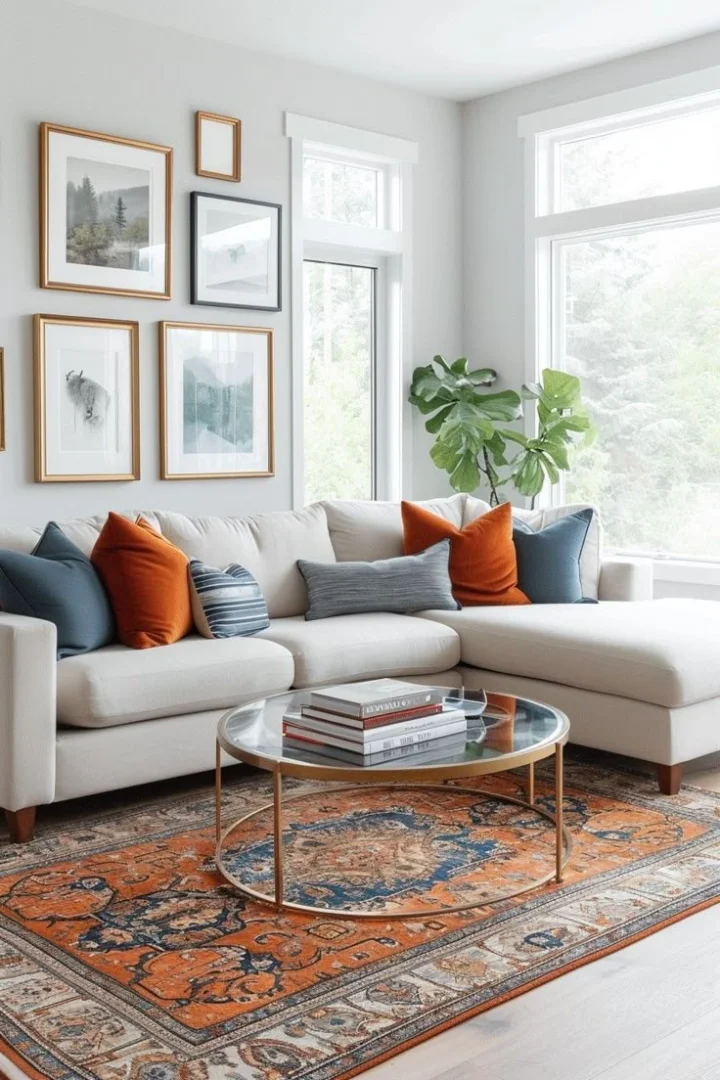
5. Smart Home Control: A New Living Experience
Smart homes don’t just look modern — they behave intelligently.
A single app allows you to control lighting, temperature, curtains, and sound systems effortlessly.
AI-powered systems learn from your habits and automatically adjust comfort levels to your preferences.
Even mirrors can now display time, weather updates, and reminders as you get ready in the morning.
This interaction between human behavior and design has transformed homes into living environments that respond to their inhabitants.
6. Sustainable Technology: Beauty with a Purpose
Technology is also driving the movement toward eco-friendly and energy-efficient interiors.
Smart lighting and thermostats help reduce energy consumption.
Advanced materials and building systems promote better insulation and air quality.
Designers now combine modern aesthetics with environmental responsibility, achieving both style and sustainability.
The future of design is not just smart — it’s conscious.
7. Digital Aesthetics: The Rise of Dynamic Décor
Digital art and ambient technology have introduced a new creative layer to interiors.
Smart screens can display digital artwork that changes with time or mood.
LED walls and lighting systems can project natural scenes, turning rooms into immersive environments.
This innovation makes interior design alive and adaptable, evolving with the user’s emotions and needs.
Conclusion: When Technology Becomes Art
Technology in interior design is no longer just a convenience — it’s a core element of modern living.
It merges beauty, comfort, and intelligence, creating homes that are responsive, efficient, and inspiring.
In the age of smart living, design is no longer static — it’s interactive, personal, and constantly evolving.
The result? A new definition of elegance, where art, technology, and life harmoniously coexist under one smart roof.