Small Space Design: Tips to Transform Limited Areas into Functional and Stylish Homes
When space is limited, designing a home that feels both beautiful and comfortable can seem challenging. However, with a few smart tricks and creative touches, even the smallest areas can become cozy, functional, and full of charm. Here are some practical tips to help you make the most of your small spaces.
Small Space Design: Tips to Transform Limited Areas into Functional and Stylish Homes
When space is limited, designing a home that feels both beautiful and comfortable can seem challenging.
However, with a few smart tricks and creative touches, even the smallest areas can become cozy, functional, and full of charm.
Here are some practical tips to help you make the most of your small spaces.
1. Light Colors: The Secret to a Spacious Feel
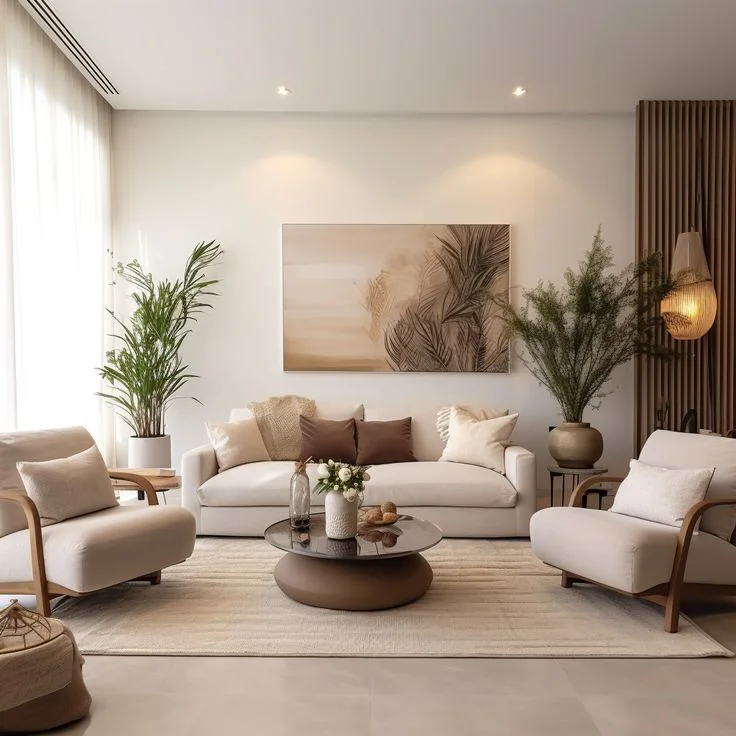
Color selection is the first and most important step in creating the illusion of space.
Light shades such as white, beige, soft gray, or pale blue help make rooms appear larger and more open.
You can balance these tones with darker accents in furniture, cushions, or artwork to add depth and personality.
Using similar tones on the walls, ceiling, and flooring creates a seamless flow that visually expands the room.
2. Smart Storage: Make Every Corner Count
In small spaces, storage must be part of the design plan.
Choose multi-functional furniture pieces that combine practicality with style:
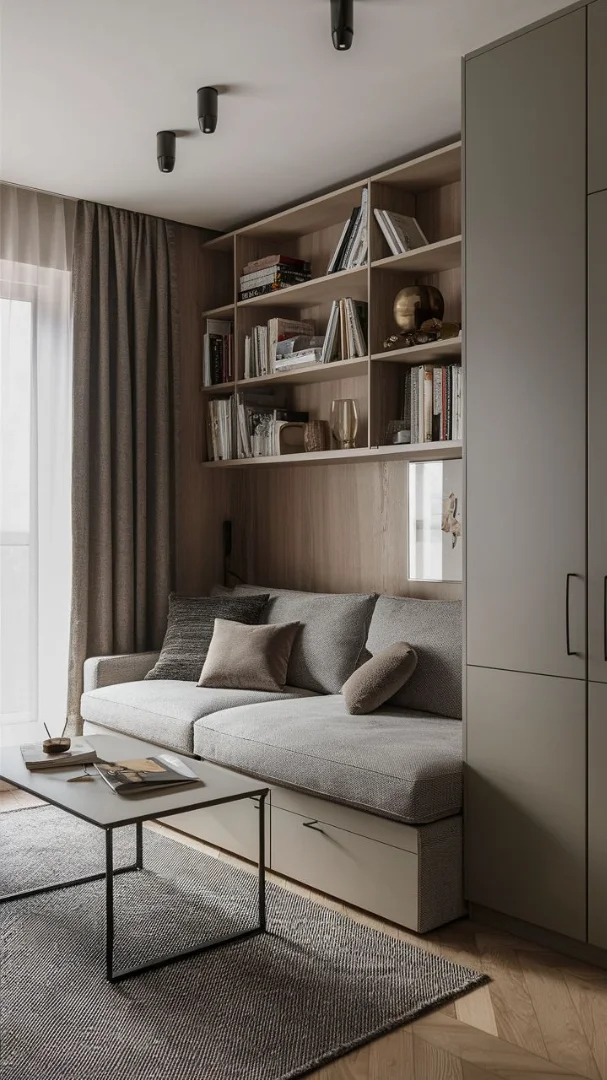
Beds with built-in drawers for storing blankets or seasonal clothing.
Sofas with hidden compartments for everyday items.
Foldable or expandable tables that can serve multiple purposes.
Wall-mounted shelves are another excellent way to organize your belongings while keeping the floor area open and uncluttered.
3. Mirrors: A Visual Trick for Space and Light
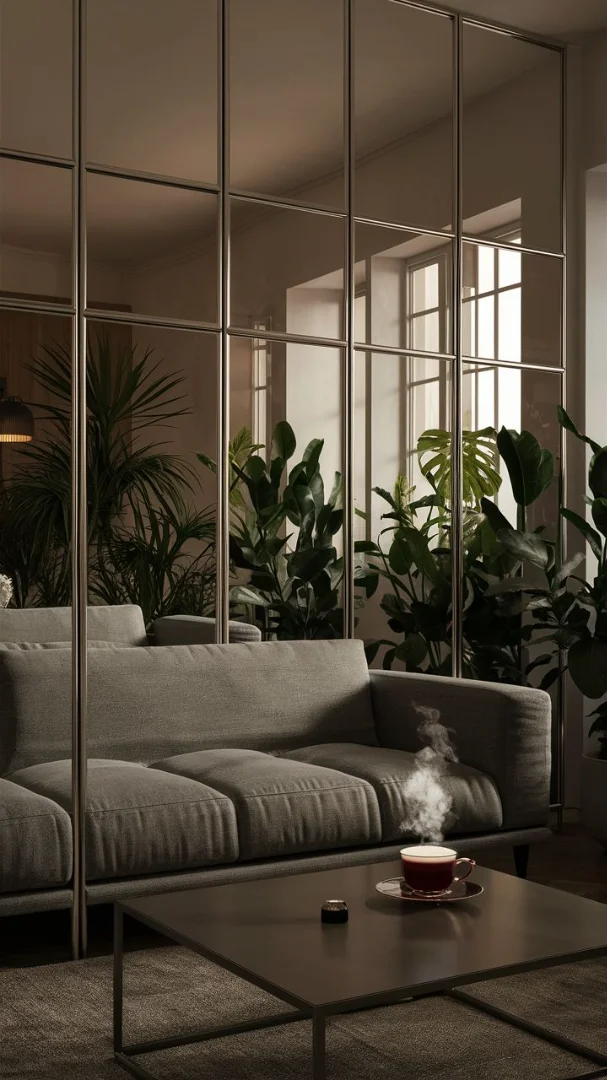
Mirrors are one of the most effective tools in small-space design.
Placing a large mirror on a wall reflects natural light and instantly creates a sense of depth.
You can also position mirrors opposite windows to enhance brightness and openness.
Opt for simple frames in neutral tones to maintain a clean, airy look.
4. Choose the Right Furniture: Simplicity Is Key
Selecting furniture that fits the scale of your room is essential.
Avoid bulky or oversized pieces that dominate the space.
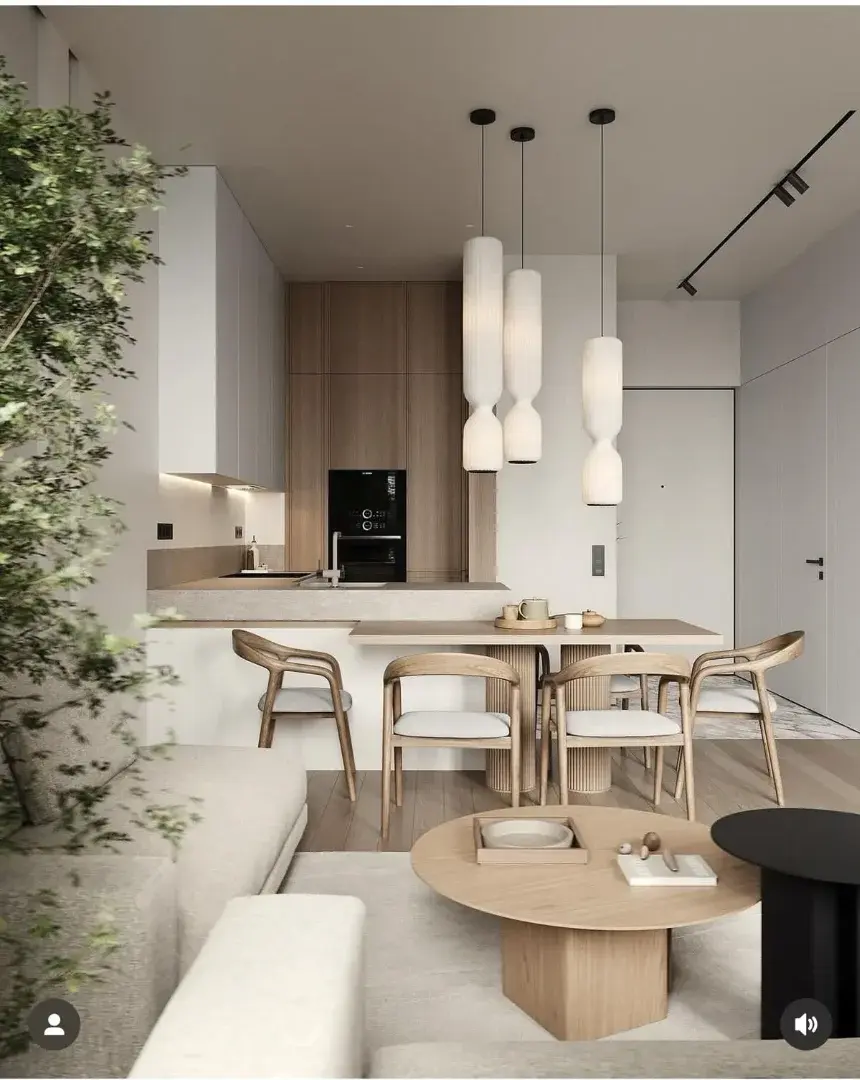
Go for sleek, straight-lined furniture with minimal detailing.
Use foldable, stackable, or lightweight options for flexibility.
Transparent furniture or pieces with slim metal legs help light flow through and give an airy appearance.
Smart furniture choices ensure both style and comfort without overwhelming the room.
5. Maximize Vertical Space: Look Up!
When floor area is limited, think vertically.
Use tall shelves or cabinets that reach up to the ceiling to store items you don’t use daily.
Floating shelves can be used to display books or decorative items.
Even the space above doors can become useful storage with a neatly placed shelf.
Vertical design helps you stay organized while keeping the room open and balanced.
6. Good Lighting: A Perfect Blend of Beauty and Function
Lighting plays a huge role in how a small room feels.
Let in as much natural light as possible with large windows or sheer curtains.
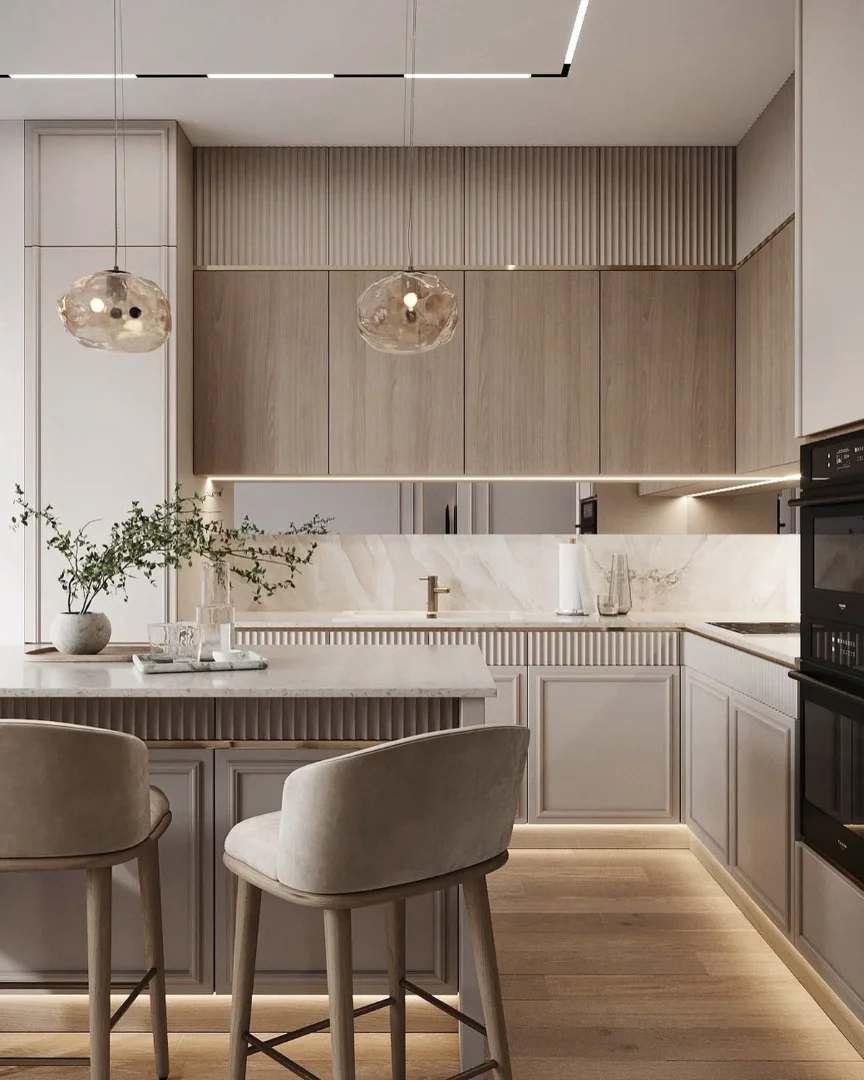
Use hidden or layered lighting like wall sconces and corner lamps to distribute light evenly.
Avoid harsh yellow lights or oversized chandeliers that crowd the ceiling.
Balanced lighting adds both warmth and clarity, making the room feel more open and inviting.
7. Organization and Minimalism: Beauty Lies in Simplicity
A well-organized space always looks bigger and more elegant.
Keep surfaces clear and avoid clutter—every piece should have a purpose or add beauty.
Choose a few meaningful accessories or artworks instead of filling every wall or corner.
Remember, simplicity enhances calmness and highlights the beauty of each design element.
Conclusion: Small Spaces Are an Opportunity, Not a Limitation
Designing small spaces requires creativity, planning, and attention to detail.
By using light colors, smart furniture, and thoughtful lighting, you can transform any compact area into a practical, stylish, and welcoming home.
Ultimately, beauty doesn’t depend on size—it’s all about how you design and live within your space.