Recycled Furniture as Contemporary Art: When Aesthetics Meet Sustainability
In a world where sustainability defines modern living, furniture has evolved from being a mere functional element into a form of artistic and environmental expression. What was once considered waste is now being reborn as a creative medium that unites design, conscience, and beauty. Recycled furniture represents the new face of interior design — stylish, ethical, and deeply human.
Recycled Furniture as Contemporary Art: When Aesthetics Meet Sustainability
In a world where sustainability defines modern living, furniture has evolved from being a mere functional element into a form of artistic and environmental expression. What was once considered waste is now being reborn as a creative medium that unites design, conscience, and beauty. Recycled furniture represents the new face of interior design — stylish, ethical, and deeply human.
What Is Recycled Furniture?
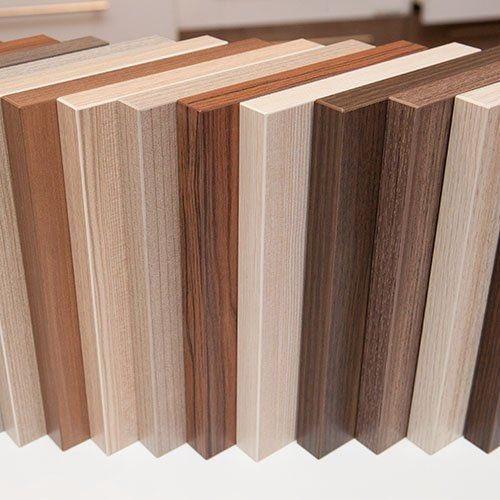
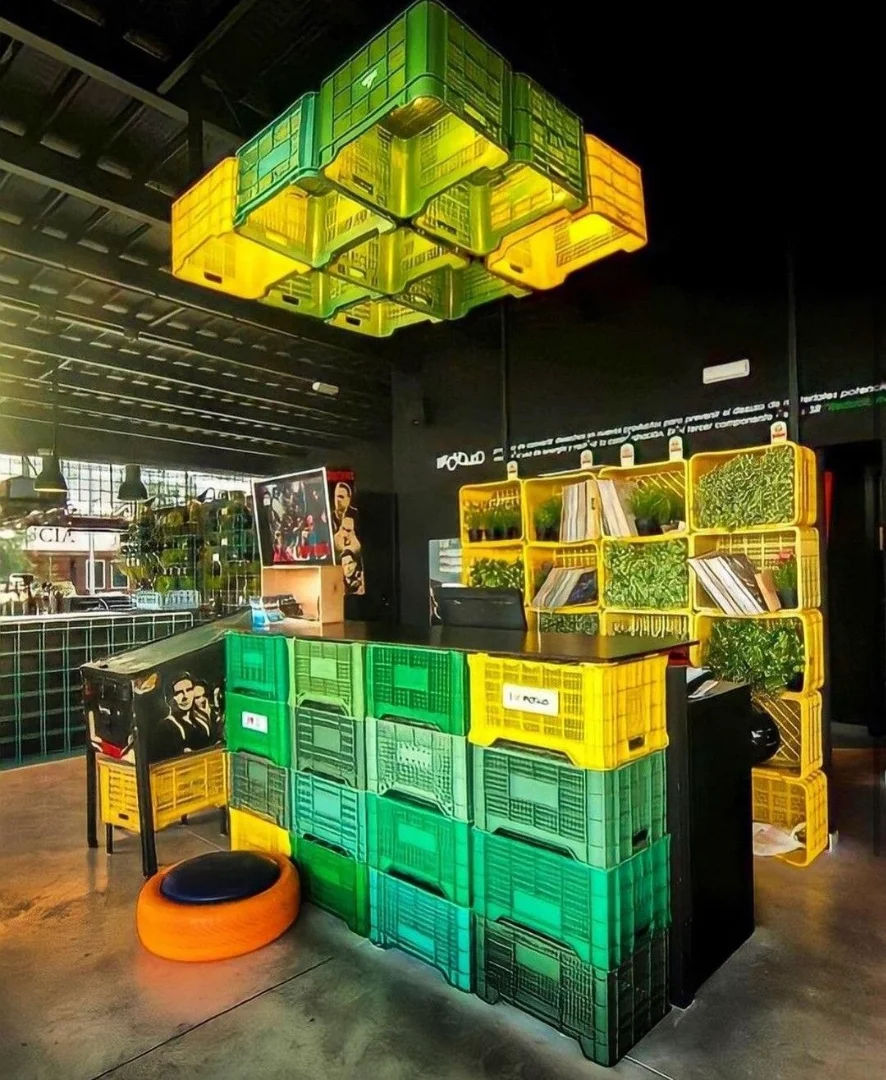
Recycled furniture refers to pieces crafted or redesigned from existing materials — such as reclaimed wood, metal, fabrics, or even plastic.
But it’s more than just reusing materials; it’s about transforming the old into something meaningful, giving every object a second life filled with creativity and soul.
Today, this approach has become a cornerstone of sustainable interior design, where homes reflect both elegance and ecological awareness.
Sustainability at the Heart of Design
Recycled furniture embodies the principles of sustainable design, focusing on reducing waste, conserving resources, and promoting environmental balance.
Core principles include:
Using natural and recyclable materials.
Reviving and redesigning old pieces instead of discarding them.
Supporting local artisans and eco-conscious makers who turn available materials into art.
This approach transforms interior design into more than an aesthetic practice — it becomes an ethical and artistic statement.
Recycled Furniture as Visual Art
When designers merge eco-thinking with artistic vision, furniture transcends functionality to become storytelling.
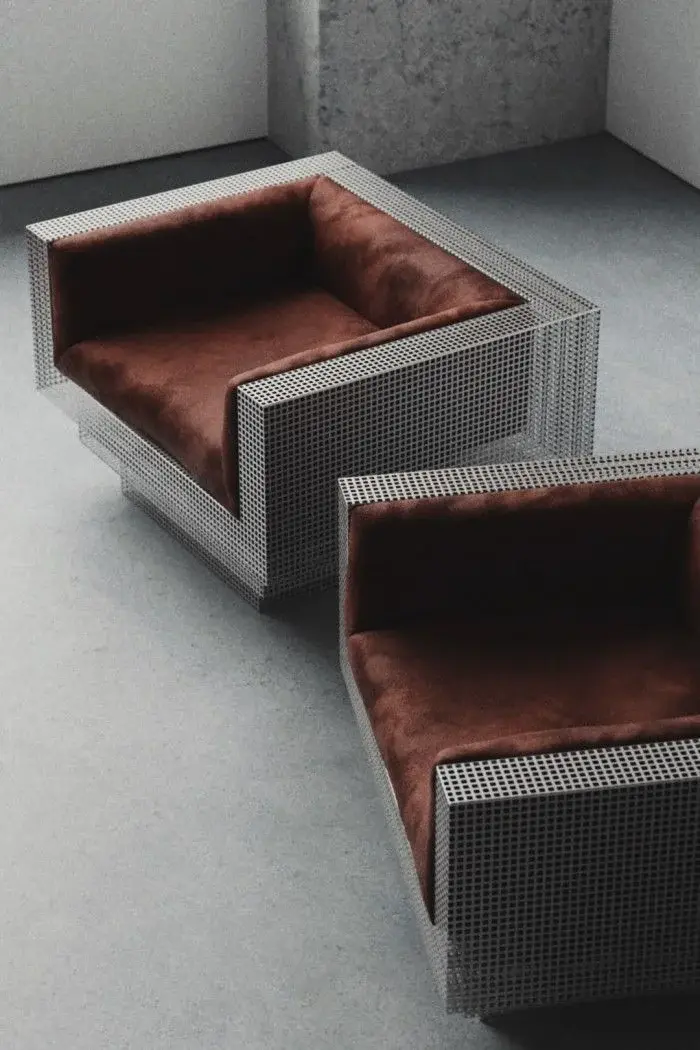
A dining table made from an old ship’s wood or a chair crafted from industrial metal are not just objects — they carry history, time, and transformation.
In contemporary design, imperfections are celebrated. Scratches, textures, and natural marks are embraced as part of a new aesthetic of authenticity, where every piece has its own fingerprint and narrative.
The Beauty of Imperfection
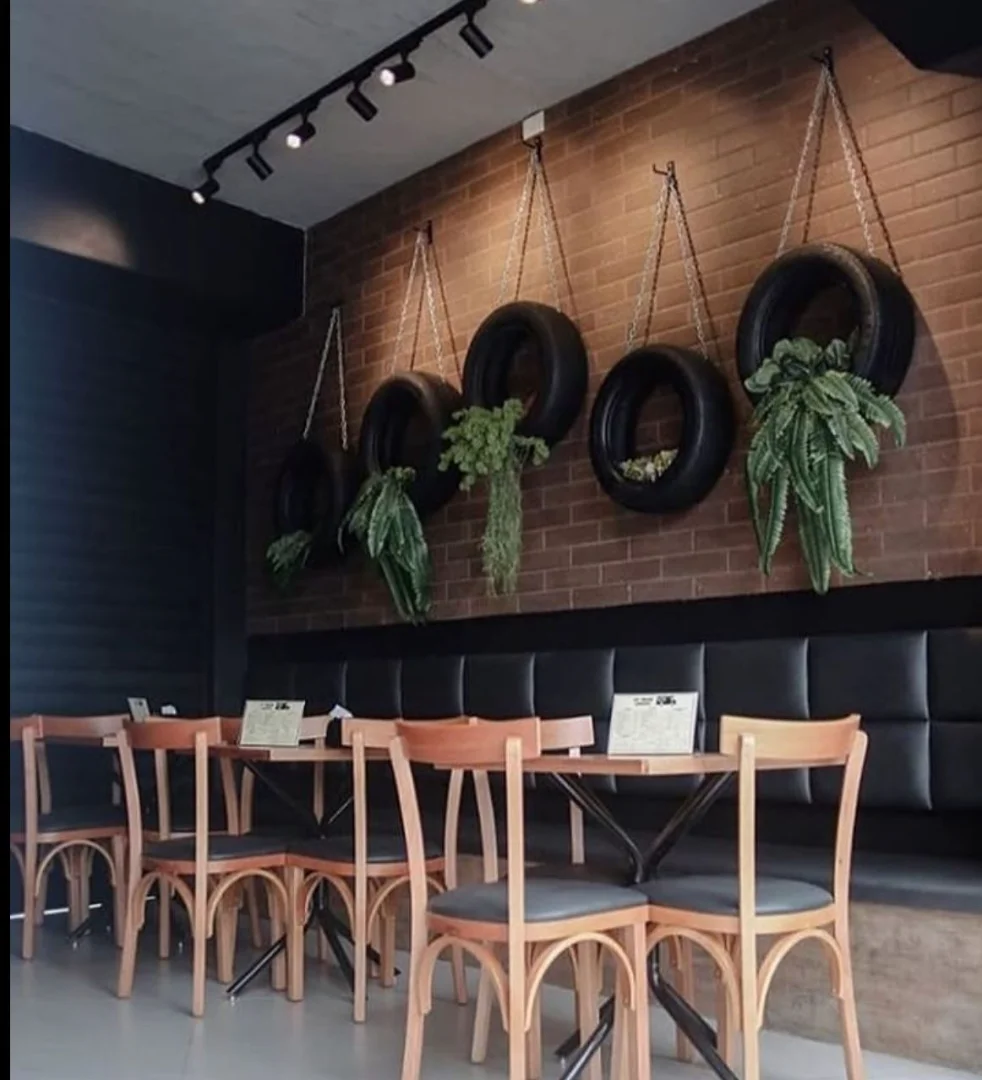
The philosophy behind recycled furniture echoes the Japanese concept of Wabi-Sabi — finding beauty in imperfection and impermanence.
The visible wear of time gives furniture character, warmth, and individuality, making each item feel alive and meaningful.
This aesthetic perfectly complements modern interior styles such as industrial, rustic, and minimalistic, where raw materials and honesty in design are deeply valued.
Innovation, Ecology, and the Future of Interiors
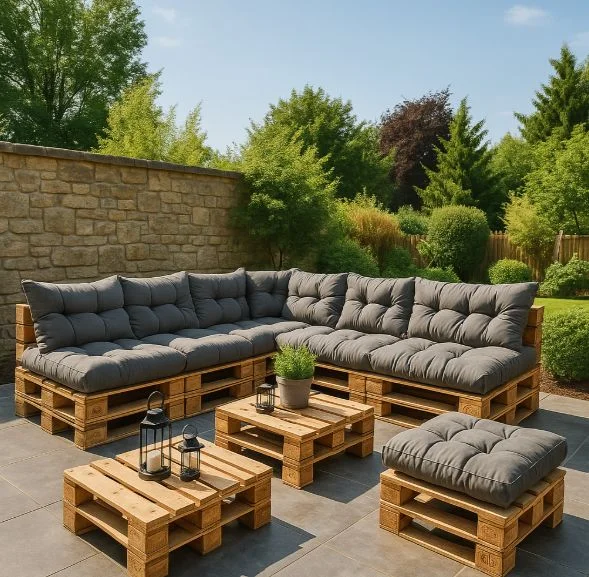
Leading brands and designers are now pioneering innovative recycling techniques — from 3D printing with recycled materials to blending ocean plastics with natural fibers.
These advances merge technology, craftsmanship, and environmental consciousness, giving rise to a new generation of interiors that are both luxurious and responsible.
Modern homes are no longer defined solely by luxury; they are defined by ethical beauty, by design that speaks for the planet as much as for the person.
Conclusion
Recycled furniture is not just a design trend — it’s a cultural and artistic movement redefining beauty through sustainability.
It reminds us that every material holds potential, and every design can carry a message of renewal, creativity, and respect for the Earth.
True beauty is not only seen — it’s felt in the spaces that nurture both humanity and the planet.