Plants as Living Design Elements: Beauty That Breathes
In a fast-paced modern world, people are longing for calm — for a kind of beauty that soothes both the space and the soul. That’s where plants come in, no longer as mere decorative accessories but as living design elements that bring warmth, balance, and life to interiors. Plants make spaces breathe — literally and emotionally — turning a room from static to alive.
Plants as Living Design Elements: Beauty That Breathes
In a fast-paced modern world, people are longing for calm — for a kind of beauty that soothes both the space and the soul.
That’s where plants come in, no longer as mere decorative accessories but as living design elements that bring warmth, balance, and life to interiors.
Plants make spaces breathe — literally and emotionally — turning a room from static to alive.
Beyond Decoration: The Role of Plants in Interior Design
In contemporary interiors, plants are no longer just a finishing touch.
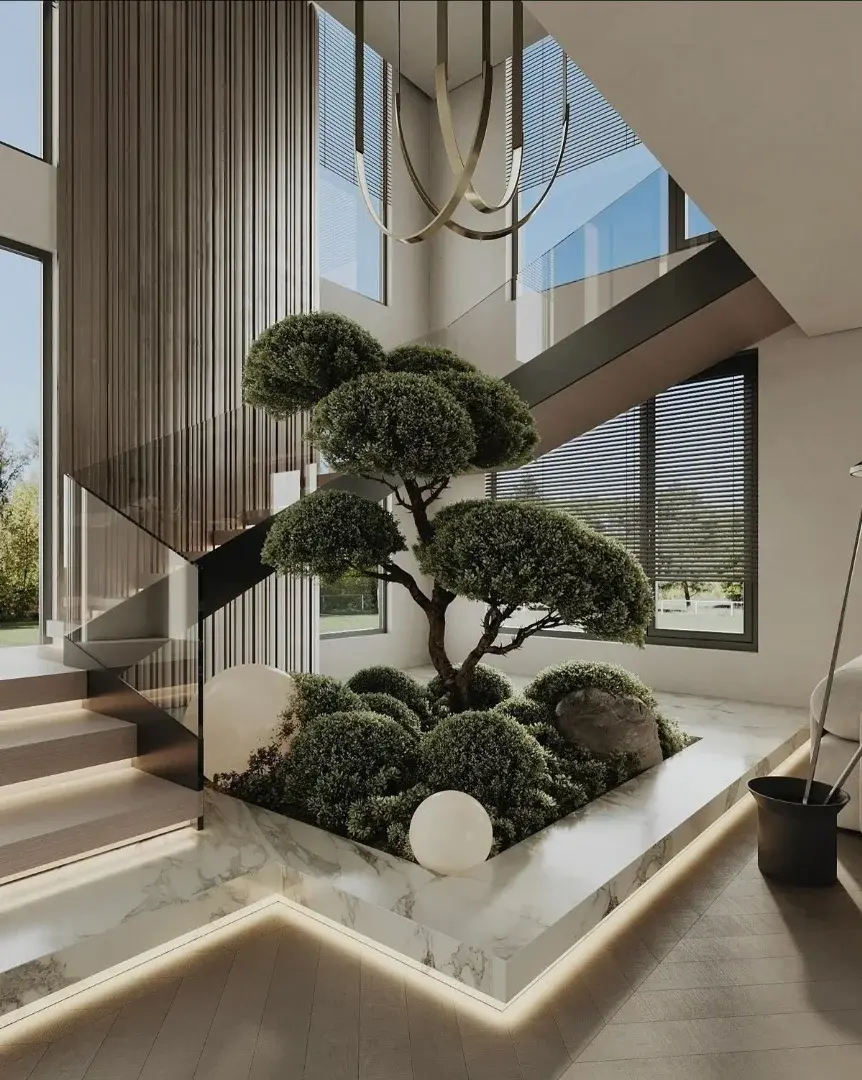
They have become central to spatial composition, shaping the atmosphere, influencing light, and softening the edges of modern materials like concrete, metal, and glass.
A plant is the organic curve among architectural lines, the touch of green that balances muted walls and neutral tones.
It’s not just about placing a pot — it’s about designing with life itself.
The Psychological Impact of Indoor Plants
The connection between environment and emotion has long been recognized, but plants elevate it to another level.
Studies show that having greenery indoors can:
Reduce stress and anxiety.
Increase concentration and creativity.
Purify the air and enhance well-being.
A home filled with plants doesn’t just look beautiful — it feels alive, turning everyday moments into a soft dialogue with nature.
The Art of Choosing the Right Plants
Not every plant thrives in every space.
The key to successful plant styling lies in understanding the character of the room — its light, tone, and rhythm.
Things to Consider:
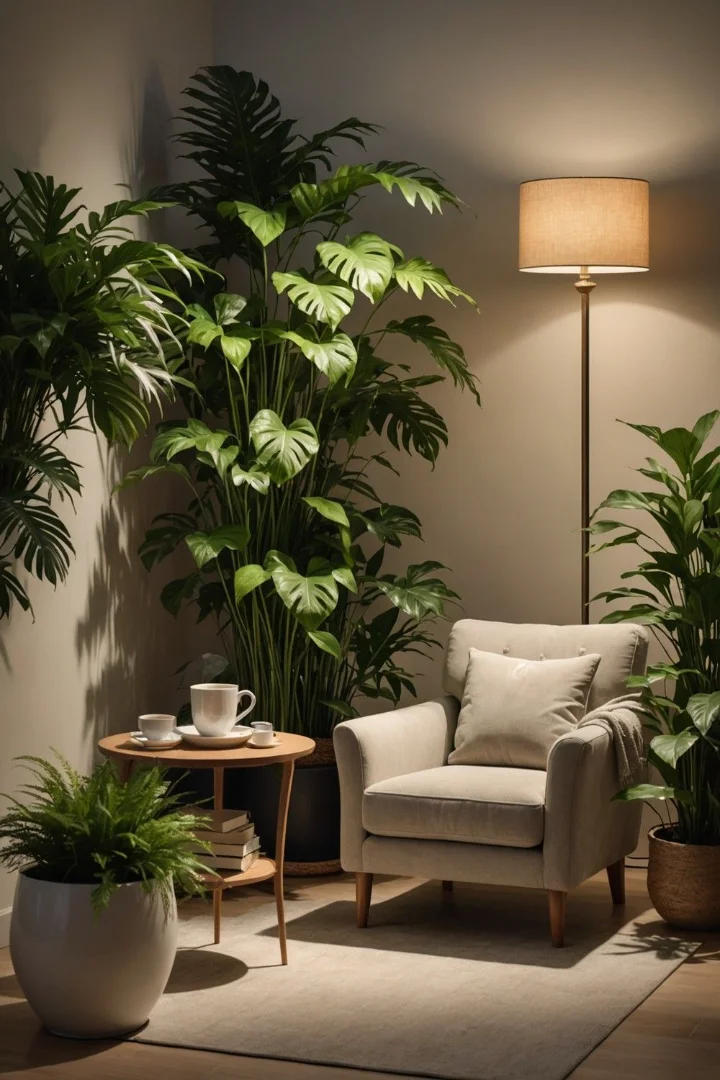
Light: Bright spaces can host large, bold plants like Monstera or Ficus, while shaded corners love resilient types such as Zamioculcas or Sansevieria.
Color and texture: Big-leaf plants make a dramatic statement; smaller trailing ones add softness and charm.
Interior style: In modern minimalist designs, a plant can act as contrast; in boho or rustic spaces, it becomes part of the natural narrative.
Designing with Plants: The Balance of Form and Air
Plants don’t just decorate — they structure space and improve air quality.
They can serve as natural dividers between open areas, soften rigid lines, or form stunning vertical gardens on walls.
In both homes and offices, indoor green zones are now symbols of mental clarity and environmental awareness.
Every leaf adds rhythm and breath — connecting human life with the pulse of nature.
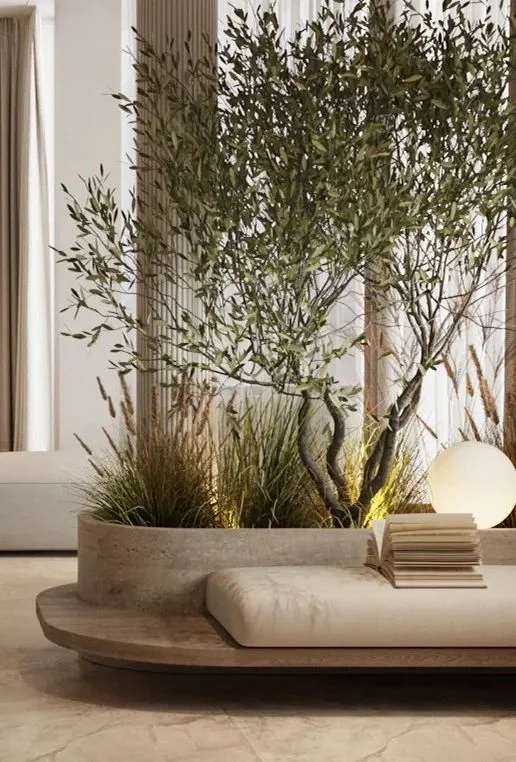
Light and Green: A Perfect Partnership
Light is a plant’s best companion — and part of its aesthetic magic.
When sunlight filters through leaves, it creates moving patterns and shades of green that shift throughout the day.
Even in spaces with little natural light, soft artificial illumination can highlight the organic textures and bring life to the greenery at night.
Light and plants together form an ever-changing art piece — alive, gentle, and endlessly inspiring.
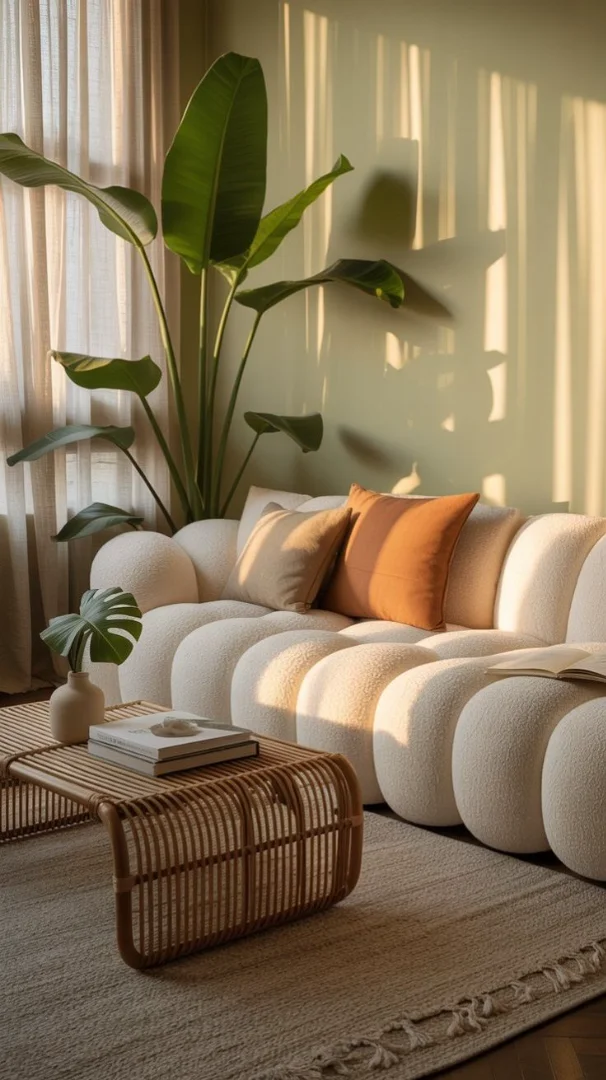
Sustainability Through Green Design
Incorporating plants into interior design is more than an aesthetic choice; it’s a step toward sustainability.
They naturally purify the air, balance humidity, and reduce the need for artificial scents or purifiers.
Each plant is a small environmental gesture — a reminder that beauty can be kind, and design can coexist with nature.
Conclusion: The Beauty That Breathes
Plants are not just splashes of green in a room — they are the soul of the space.
They make beauty tangible, emotional, and alive.
In any room lacking greenery, there’s always a subtle emptiness — because true design isn’t only seen;
it’s felt in the way a space breathes.