Interior Design Myths You Should Finally Forget
The world of interior design is full of so-called “rules” that have been repeated for decades — some helpful, others outdated or completely misleading. But real design isn’t about following trends or traditions blindly; it’s about creating a space that feels right for you. Here are some common décor myths it’s finally time to let go of — and what to do instead.
Interior Design Myths You Should Finally Forget
The world of interior design is full of so-called “rules” that have been repeated for decades — some helpful, others outdated or completely misleading.
But real design isn’t about following trends or traditions blindly; it’s about creating a space that feels right for you.
Here are some common décor myths it’s finally time to let go of — and what to do instead.
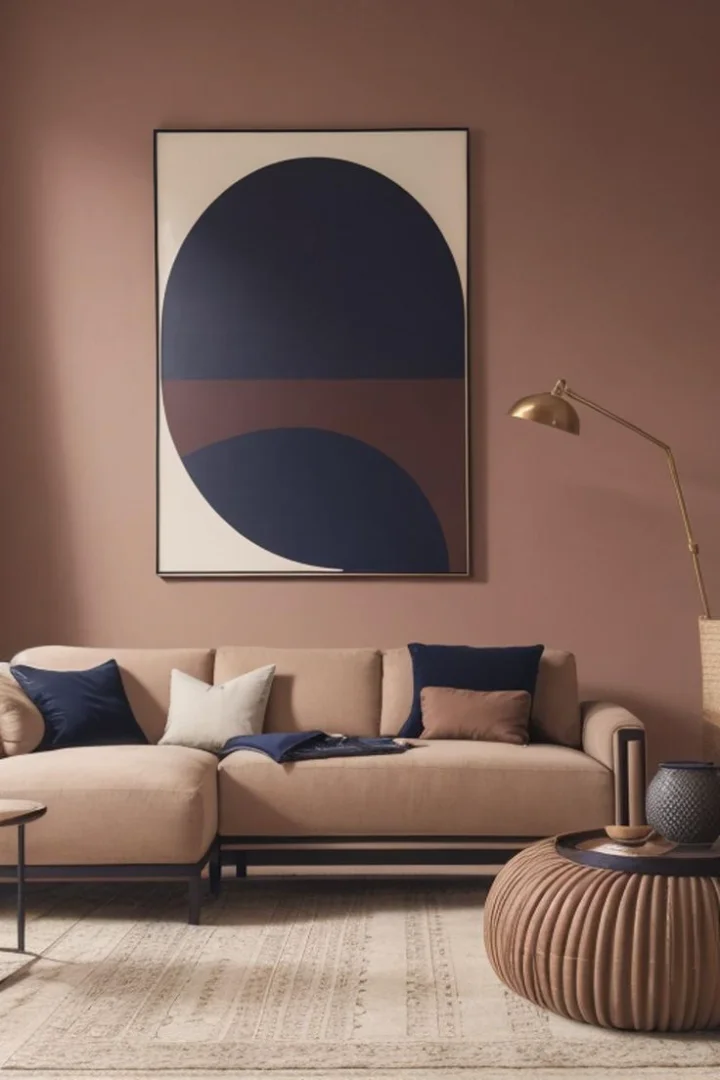
1. Only Light Colors Make a Room Look Bigger
It’s true that light colors can reflect more light, but that doesn’t mean they’re the only solution for small spaces.
In fact, deep or warm colors can add depth, character, and a sense of coziness when balanced with proper lighting.
The real secret to spaciousness lies in layout, lighting, and flow, not just paint color.
Choose colors that enhance your home’s light — not those that erase its personality.
After all, your home is meant to be lived in, not staged like a showroom.
2. Everything Has to Match
Harmony doesn’t mean everything must be identical.
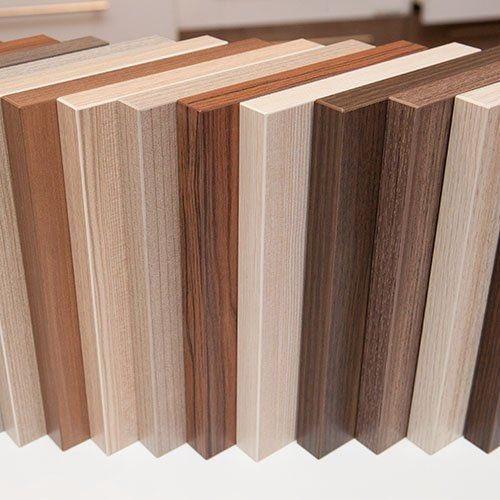
Modern interiors celebrate contrast and balance — mixing textures, tones, and materials to create character.
Combining wood with metal, warm tones with cool ones, and old with new gives your space a layered, timeless appeal.
Matching everything perfectly often results in a flat, lifeless look — and your home deserves more soul than that.
3. Large Furniture Doesn’t Work in Small Spaces
Size isn’t the problem — proportion is.
A single, well-chosen statement sofa can make a small room feel more anchored and luxurious than several tiny pieces cluttering the space.
The key is to choose fewer, well-scaled pieces that allow movement and balance.
Smart design isn’t about shrinking everything — it’s about making every piece count.
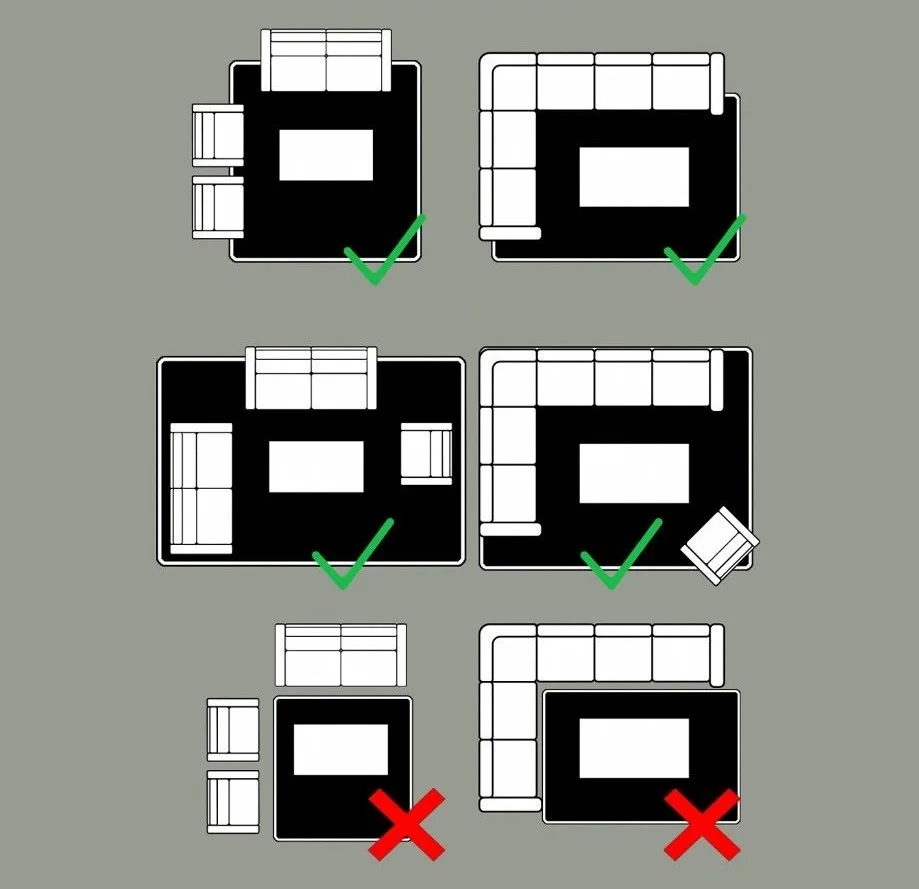
4. Rugs Should Be Small and Fit Only Under the Coffee Table
Actually, the opposite is true.
A large rug helps unify the room, visually expanding the space and grounding the furniture.
Smaller rugs can chop up a room and make it feel disjointed.
The new rule: let the front legs of your furniture sit on the rug to create harmony and warmth.
5. Classic Style Is the Only True Luxury
Classic design is beautiful, but it isn’t the only form of elegance.
Modern luxury is defined by quality, comfort, and thoughtful simplicity, not ornate details or heavy gold finishes.
A luxurious home is one that feels personal and intentional — where every item has a purpose and story, regardless of style.
6. Beautiful Spaces Can’t Be Practical
That’s a design myth long gone.
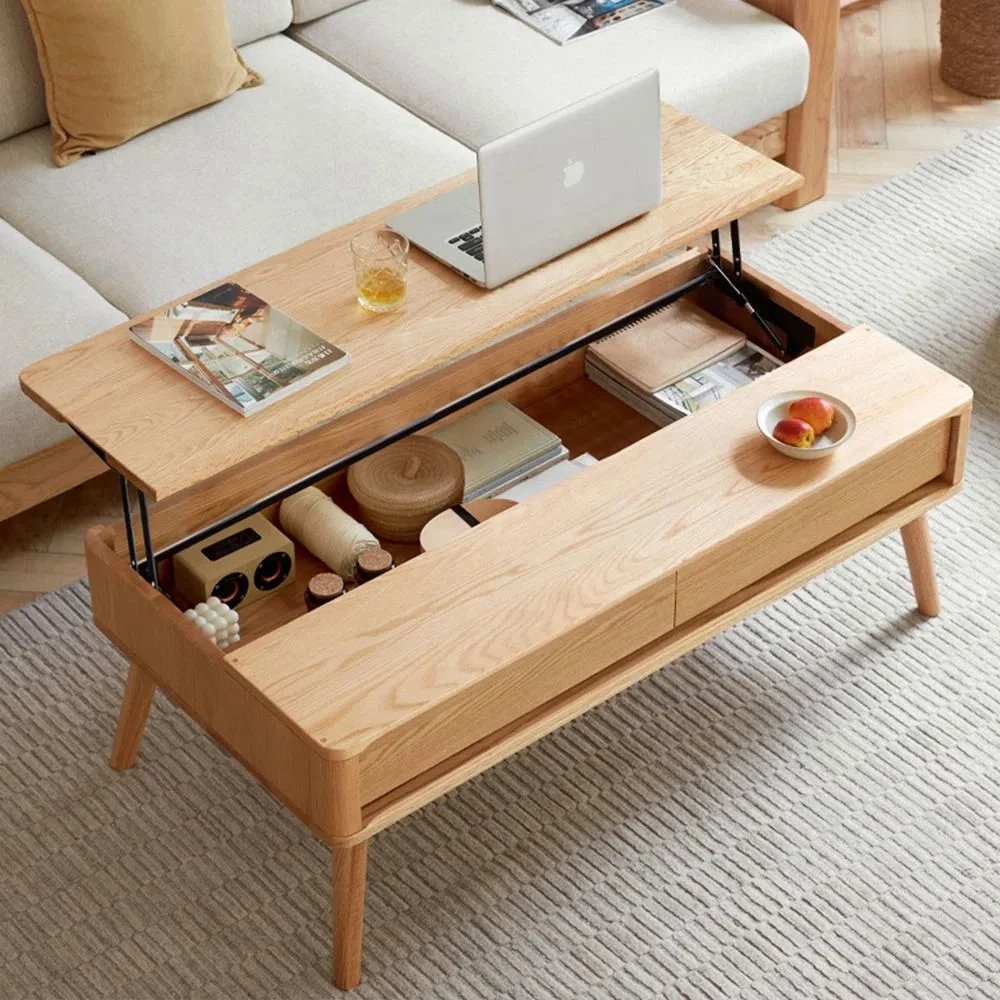
Today’s interiors merge beauty and functionality seamlessly — from smart lighting systems to hidden storage and modular furniture.
Good design doesn’t sacrifice comfort for aesthetics; it blends both into a lifestyle that works effortlessly.
7. You Have to Follow Trends to Stay “Stylish”
Trends come and go, but authentic style never fades.
Your home isn’t a social media trend; it’s your personal story told through space, light, and texture.
Draw inspiration from what’s trending, but let your instincts lead — because style that reflects you is always in fashion.
Conclusion: Your Home, Your Rules
Real design isn’t about perfection — it’s about connection.
A beautiful home is one that reflects your rhythm, your memories, and your comfort.
So forget the old rules and myths; design a space that makes you feel alive.
Because the most beautiful home is the one that feels like you.