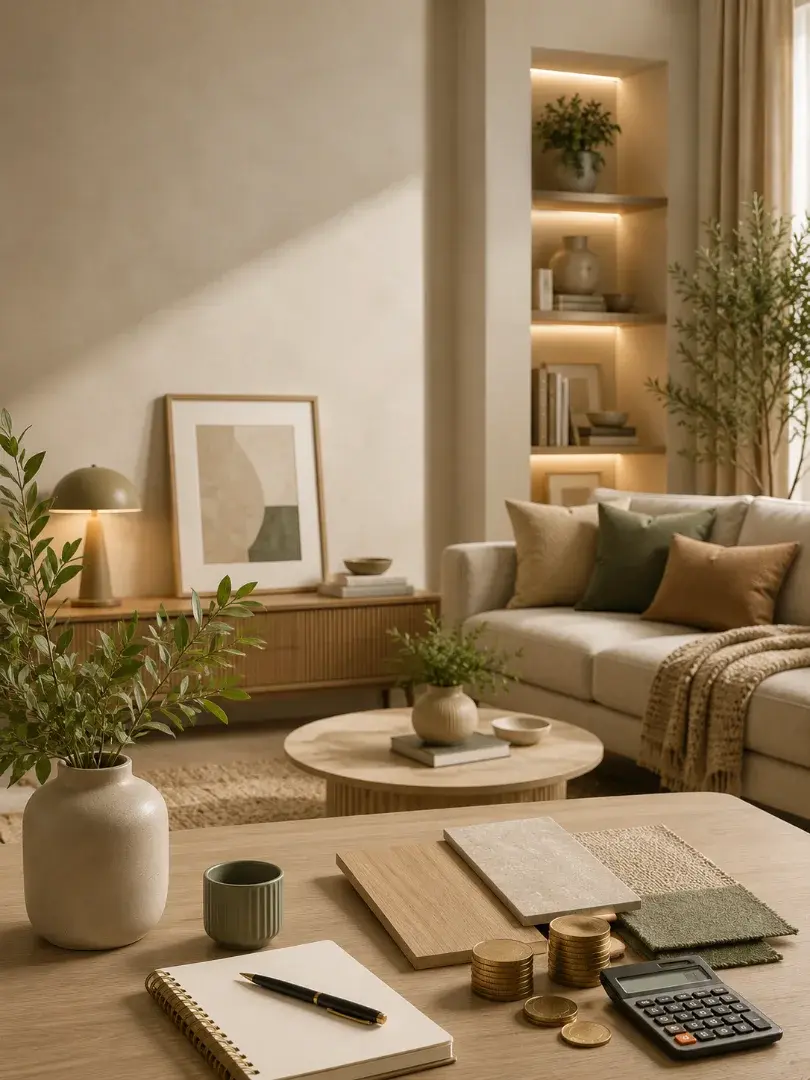
How to Save Money When Decorating: Smart Tips to Reduce Costs Without Compromising Design Quality
Decorating your home does not always require a large budget. With smart planning, practical material choices, and clear priorities, you can create a stylish and functional space while keeping costs under control.
How to Save Money When Decorating: Smart Tips to Reduce Costs Without Compromising Design Quality
Decorating a home can quickly become expensive, especially when it comes to materials, furniture, lighting, and finishing details. However, saving money does not mean sacrificing beauty or quality. It simply means making smarter decisions that help you achieve an elegant and practical result within your budget.
In this article, we share useful tips to help you reduce decoration costs without making your home feel unfinished or low quality.
Set a Clear Budget Before You Start
The first step to saving money is setting a clear budget before buying anything. Divide your budget into main categories such as flooring, walls, lighting, furniture, curtains, storage, and accessories.
Having a clear budget helps you decide where to spend more and where to save. It also prevents random purchases that can increase the total cost during the execution stage.
Prioritize the Most Important Elements
Not every design element needs the same level of spending. Some items are worth investing in because they last longer and affect daily use, such as flooring, kitchens, storage units, and main lighting.
On the other hand, decorative accessories, side tables, small décor pieces, and styling items can be chosen at more affordable prices or added later.
Choose Smart Alternatives to Expensive Materials
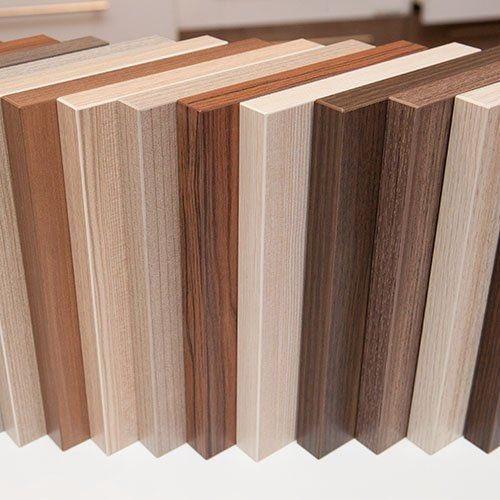
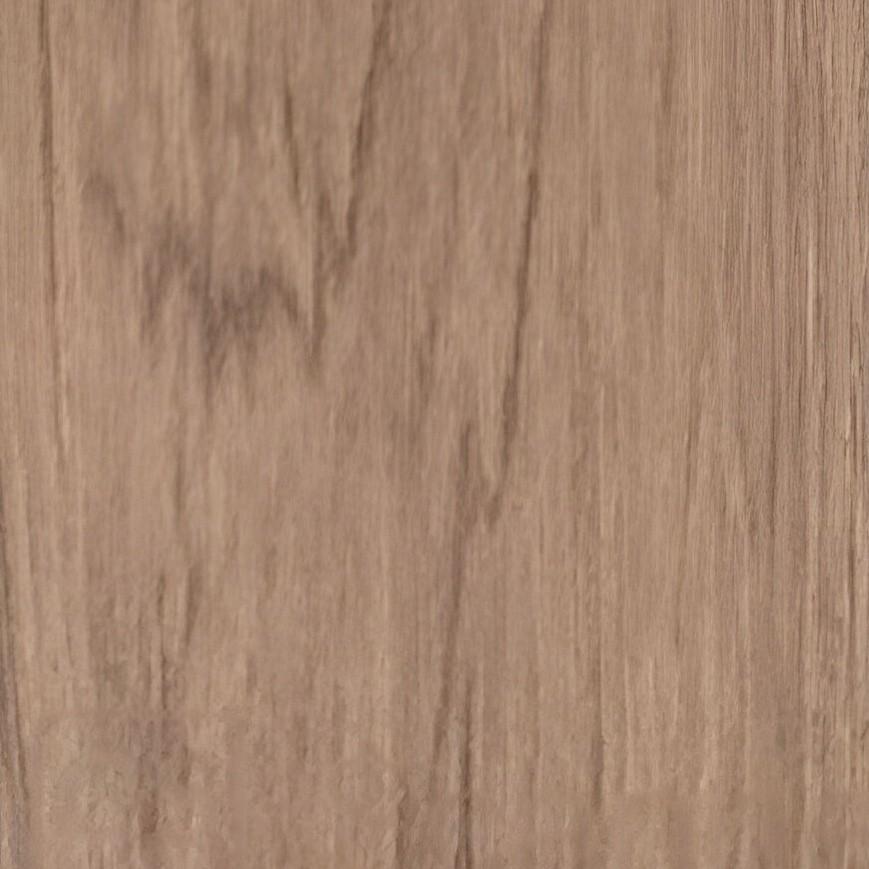
One of the best ways to reduce costs is to choose alternative materials that give a similar look for a lower price. For example, porcelain tiles with a marble effect can be used instead of natural marble, and high-quality MDF or chipboard can sometimes replace natural wood in certain applications.
The goal is not to choose the cheapest material, but to choose the right material for the right place.
Do Not Execute Everything at Once
If the budget is limited, you can divide the decoration process into stages. Start with the essential items first, such as main finishes, lighting, basic furniture, and storage.
After that, you can gradually add decorative details such as rugs, mirrors, plants, wall art, and accessories. This approach gives you more time to choose carefully and avoid unnecessary spending.
Reuse Some Existing Pieces
You do not always need to replace everything. Some existing furniture pieces can be reused in a fresh way by changing the fabric, repainting them, or placing them in a different area of the home.
A good-quality old piece can become a beautiful part of the new design if it is styled correctly with the new colors and materials.
Avoid Too Many Changes During Execution
Changes during the execution phase are one of the main reasons decoration costs increase. Moving electrical points, changing a built-in unit, replacing materials after installation, or modifying dimensions can all lead to extra costs and delays.
To avoid this, review the design, measurements, colors, materials, and layout carefully before starting the work.
Choose a Simple and Smart Design
A beautiful interior does not always require expensive materials or complicated details. Simple designs can often look more elegant and timeless, especially when the colors, lighting, and furniture are well coordinated.
Good design depends on balance, not on having too many elements.
Compare More Than One Quotation
Before choosing a contractor, supplier, or furniture manufacturer, it is better to get more than one quotation for the same specifications. This helps you understand the fair market price and avoid overpaying.
However, the cheapest option is not always the best. Choose the offer that balances price, quality, materials, execution, and delivery time.
Use Standard Sizes When Possible
Custom designs and unusual sizes usually cost more. When choosing furniture, cabinets, doors, or storage units, try to use standard dimensions whenever possible.
This does not mean giving up on a unique design. It simply means avoiding unnecessary complexity that increases manufacturing and installation costs.
Invest in Good Lighting
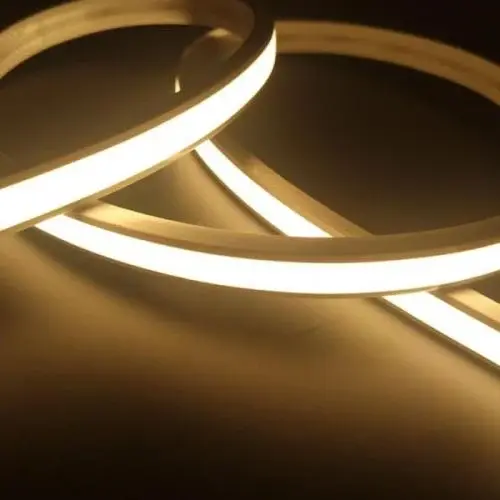
Good lighting can make a space look more luxurious even when the materials are simple. Instead of spending too much on decorative details, focus on creating a balanced lighting plan.
Use general lighting, task lighting, and decorative lighting in selected areas only. This will improve the atmosphere of the space without adding unnecessary cost.
Buy Accessories Gradually
Accessories are important because they complete the look of the space, but they can also consume a large part of the budget if purchased all at once. Start with the main items first, then add accessories gradually.
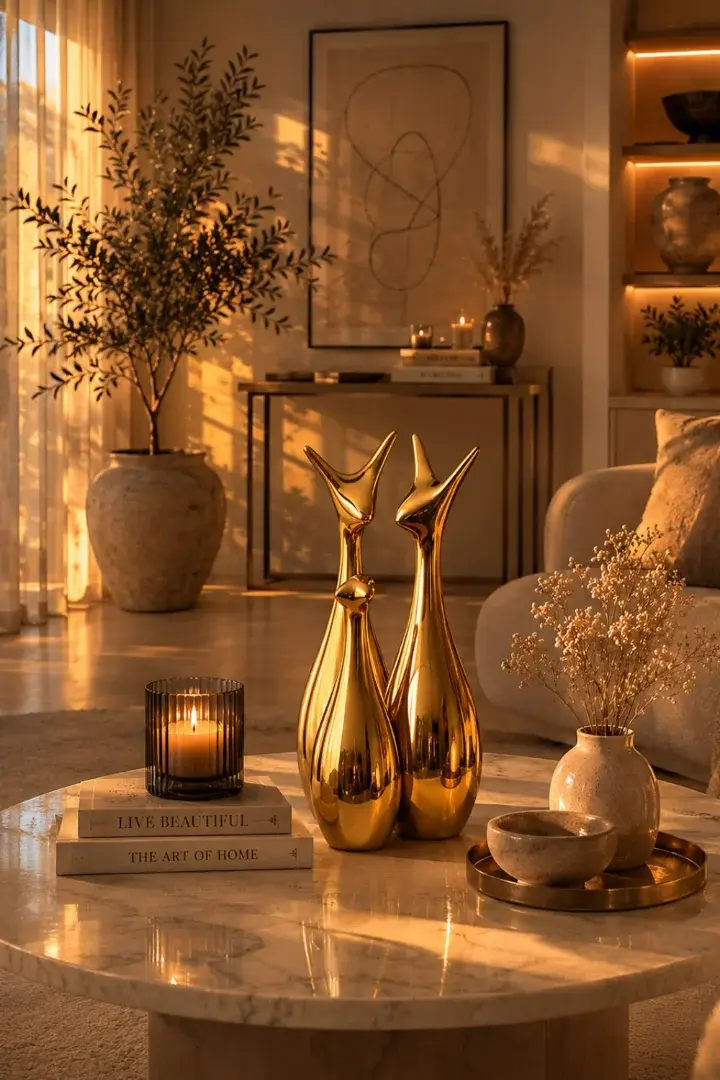
Choose fewer but more impactful pieces, such as a beautiful mirror, a suitable rug, or indoor plants, instead of filling the space with too many small items.
Keep an Emergency Budget
Even with careful planning, unexpected costs can appear during execution. It is always better to keep a small part of the budget for emergencies.
This gives you more flexibility and helps you deal with any issue without having to remove important elements from the project.
Conclusion
Saving money when decorating does not mean choosing cheap materials or creating a very basic design. It means planning wisely, setting priorities, and choosing the right alternatives.
With clear decisions from the beginning, you can reduce costs and still achieve a stylish, practical, and well-balanced interior. A successful design is not always the most expensive one, but the one that fits your lifestyle, needs, and budget.