How to Handle a Room Without Natural Light?
A room without natural light can still feel bright, spacious, and comfortable. Learn how to use smart lighting, light colors, mirrors, and reflective materials to transform a dark room into an elegant and inviting space.
How to Handle a Room Without Natural Light?
A room without natural light can feel challenging to design, especially if it has no windows or is located in an internal part of the home. Natural light usually adds freshness, openness, and warmth to any space, but its absence does not mean the room has to feel dark or uncomfortable.
With the right lighting plan, color palette, materials, and furniture choices, you can turn a windowless room into a bright, stylish, and practical space.
Choose Light Colors for the Walls
Light colors are one of the most effective ways to brighten a room without natural light. Shades such as warm white, ivory, beige, soft gray, and light neutral tones help reflect artificial light and make the room feel more spacious.
Avoid using very dark colors on the main walls, especially in small rooms, as they can make the space feel closed and heavy. However, darker tones can still be used in small details, such as accessories, artwork, or a statement furniture piece.
Use Layered Lighting
In rooms without natural light, one ceiling light is usually not enough. The best solution is to use layered lighting, which means combining different types of lighting in the same space.
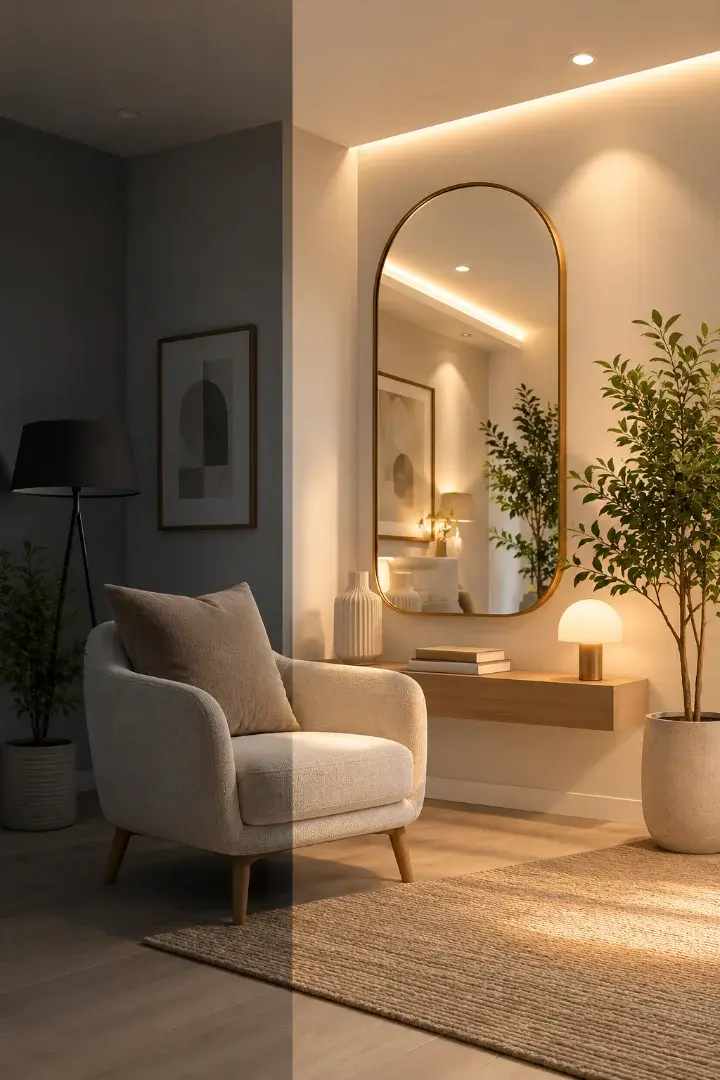
Start with general ceiling lighting, then add wall lights, table lamps, floor lamps, or hidden LED strips. This creates depth and makes the room feel warmer and more comfortable.
Choose the Right Light Temperature
The color temperature of the light affects the entire mood of the room. Very white lighting can feel cold and harsh, while very yellow lighting may make the room look dull.
For most living spaces and bedrooms, a warm neutral light works best. It gives the room a cozy feeling while still keeping it bright and clear. For workspaces, dressing rooms, or makeup areas, a more balanced light can be used for better visibility.
Add Mirrors to Reflect Light
Mirrors are one of the smartest tricks for rooms without natural light. A large mirror can reflect artificial light around the room and make the space feel bigger and brighter.
Place a mirror opposite or near a light source, such as a wall lamp or table lamp. You can also use mirrors behind consoles, above dressers, or as part of a decorative wall design.
Use Reflective and Soft Materials
Materials can make a big difference in how light moves through the room. Choose materials that reflect light gently, such as glass, light marble, soft metallic finishes, or light-colored wood.
For fabrics, use soft and light shades for curtains, rugs, cushions, and upholstery. These elements help the room feel lighter and more open instead of absorbing the light.
Keep the Furniture Simple
A room without natural light should not feel crowded. Too much furniture can make it look smaller and darker. Choose practical furniture pieces with clean lines and suitable proportions.
Furniture with raised legs or simple shapes can make the room feel lighter. Closed storage units are also helpful because they reduce visual clutter and keep the space organized.
Add Greenery
Plants can bring life and freshness to a room, even if it does not receive sunlight. High-quality artificial plants are a great option for windowless rooms because they add a natural touch without needing maintenance.
If you prefer real plants, choose types that can tolerate low light and place them near an artificial light source when possible.
Use Bright Decorative Details
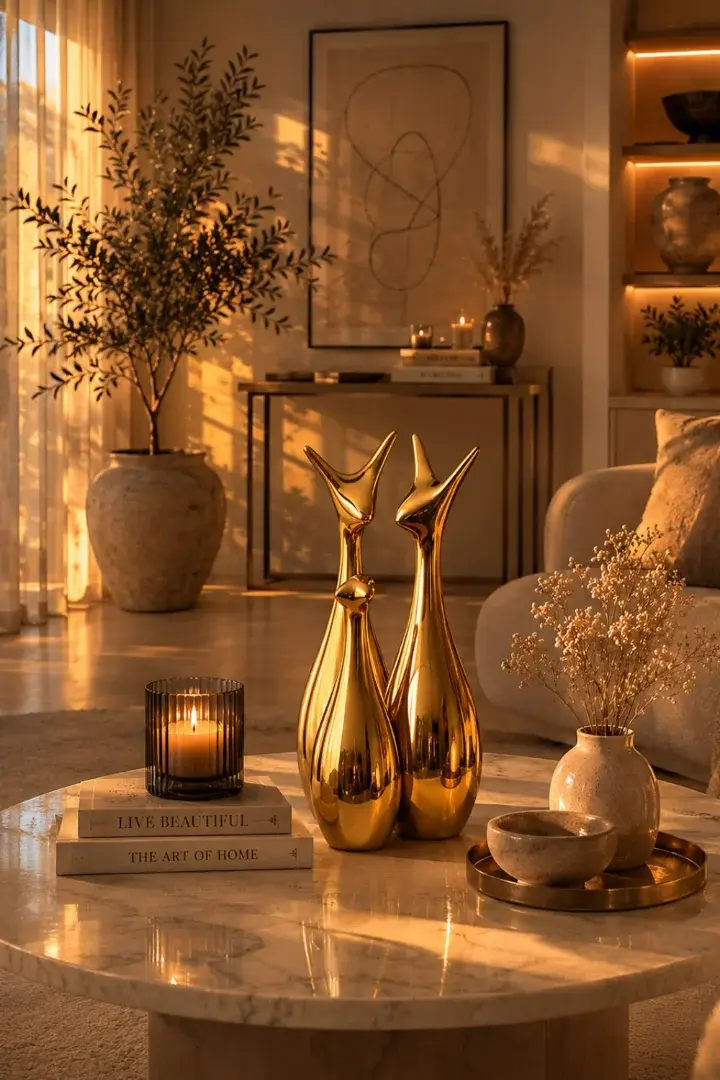
Decorative pieces can help reduce the feeling of darkness or heaviness. Choose artwork with soft bright colors, metallic frames, glass accessories, or cushions in fresh tones.
You do not need to use strong colors everywhere. Small touches of green, light blue, gold, blush, or sandy tones can add warmth and personality to the room.
Pay Attention to Airflow and Scent
A room without windows may sometimes feel closed, so ventilation is important. You can use an air purifier, a ventilation fan, or simply keep the door open for part of the day.
Soft home scents can also make the room feel more welcoming. Scents like lavender, vanilla, musk, or woody notes can add a calm and cozy atmosphere.
Conclusion
A room without natural light can still be beautiful, bright, and comfortable when designed correctly. The key is to use light colors, layered lighting, mirrors, reflective materials, and simple furniture.
With a few thoughtful details, even the darkest room can become an elegant and inviting space full of warmth and style.