How to Explain Your Style to an Interior Designer
A practical guide to help you communicate your design taste clearly through inspiration images, colors, materials, lifestyle needs, budget, and priorities, so your designer can create a space that truly reflects you.
How to Explain Your Style to an Interior Designer
Starting an interior design project can be exciting, but explaining your style to a designer is not always easy. You may have a clear idea in your mind, but turning that idea into words can feel difficult.
Good communication is one of the most important steps in achieving a design that matches your personality, lifestyle, and needs. The clearer you are with your designer, the easier it becomes to create a space you truly love.
Collect Inspiration Images
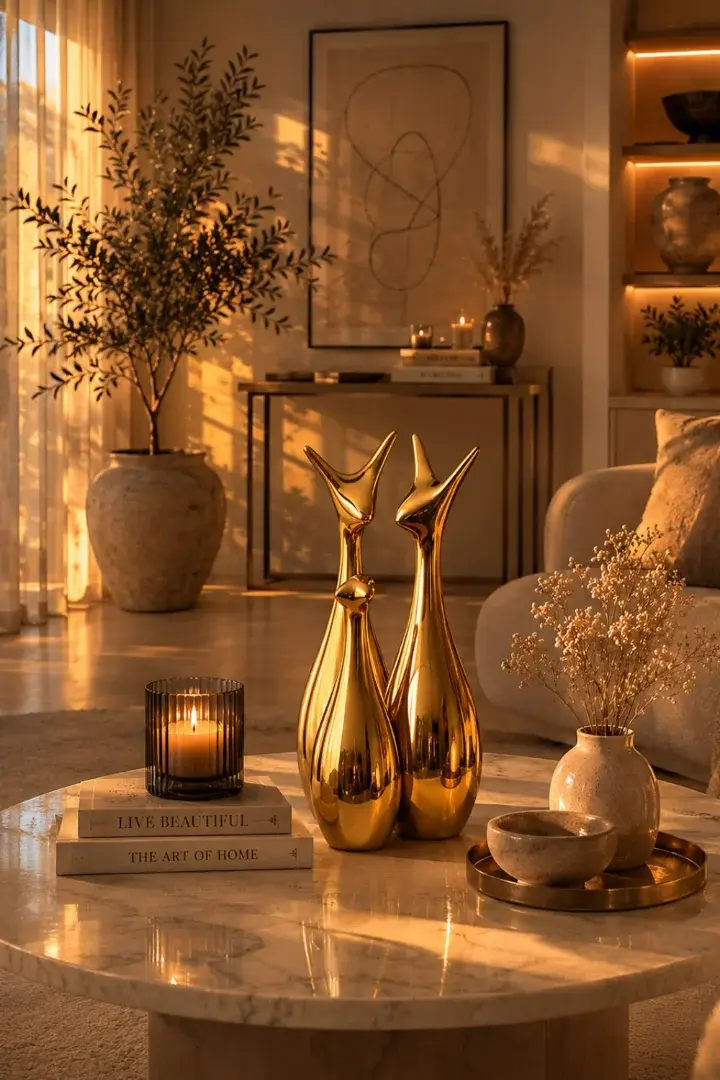
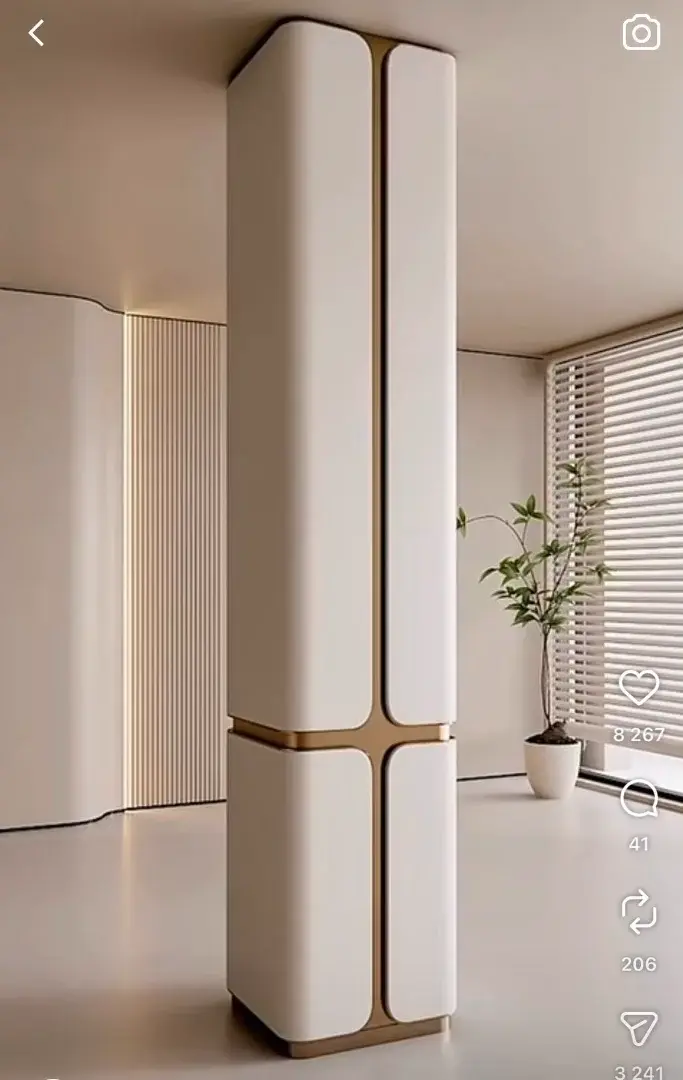
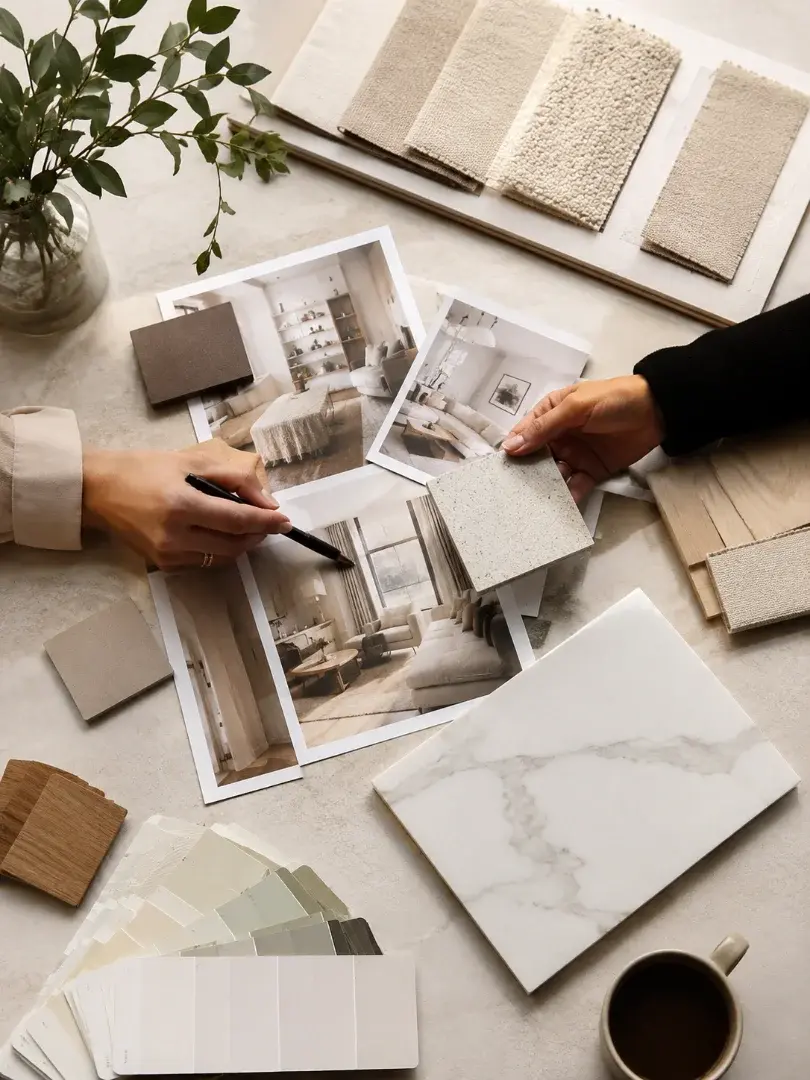
Images are one of the best ways to explain your taste. Before meeting your designer, collect photos of rooms, furniture, colors, materials, lighting, or details that inspire you.
You can use Pinterest, Instagram, design websites, or even photos from real homes and previous projects. The image does not have to be perfect in every detail. You can simply explain what you like about it, such as the wall color, sofa shape, lighting style, wood tone, or furniture layout.
Explain What You Don’t Like
Knowing what you dislike is just as important as knowing what you love. Tell your designer about colors, materials, furniture styles, or design details you prefer to avoid.
For example, you can say: “I don’t like very dark colors,” “I prefer a design that is not too classic,” or “I don’t like too many decorative details.”
This helps the designer avoid unsuitable choices from the beginning.
Share Your Daily Lifestyle
Interior design is not only about appearance. It should also support the way you live every day. Tell your designer how you use the space.
Do you welcome guests often? Do you have children? Do you need extra storage? Do you prefer formal seating or relaxed family spaces? Do you use the living room daily or only for occasions?
These details help the designer create a space that is both beautiful and practical.
Describe the Feeling You Want
Instead of focusing only on design style names, try to describe the feeling you want in the space. Do you want it to feel calm, luxurious, warm, modern, cozy, elegant, or practical?
Words like these help the designer understand the overall mood, even if you are not familiar with technical design terms.
Talk About Colors and Materials
Colors and materials play a major role in the final look of any interior. Let your designer know which colors make you feel comfortable. Do you prefer light or dark tones? Soft neutrals or bold accents?
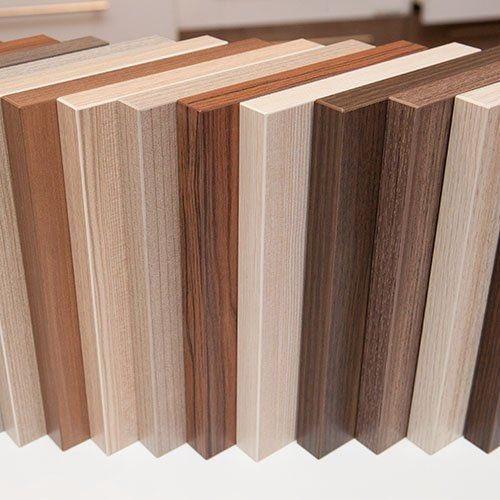
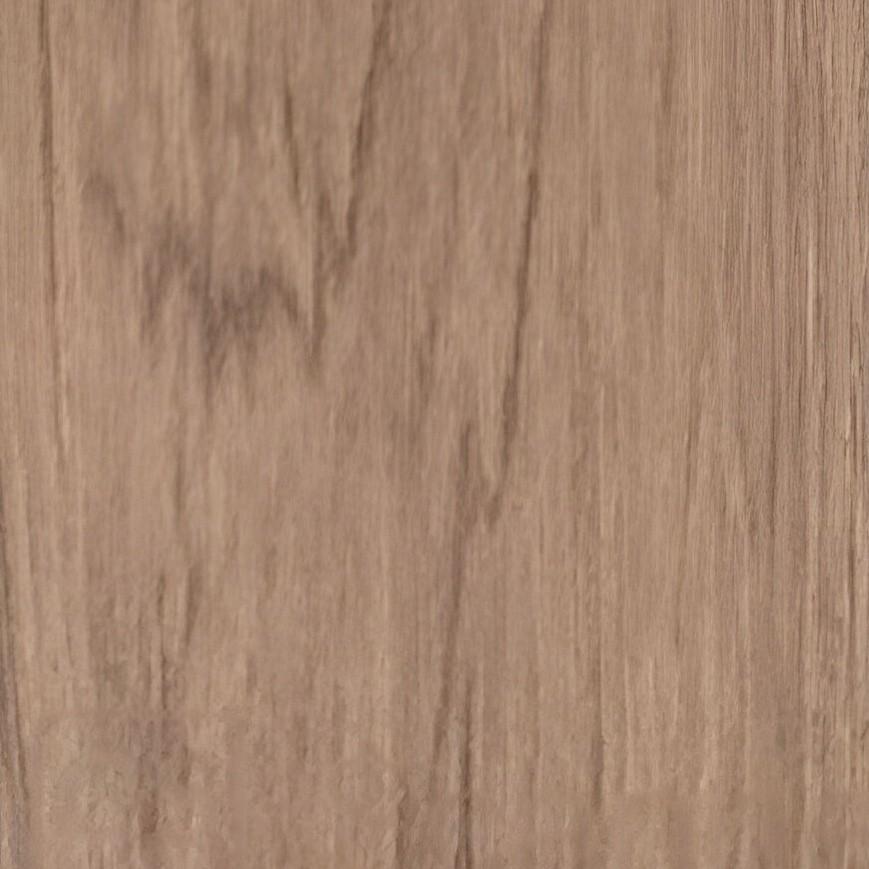
Also mention the materials you like, such as wood, marble, stone, fabric, leather, metal, or glass. If you prefer natural materials or easy-to-clean finishes, make that clear from the start.
Be Clear About Your Budget
Your budget helps the designer suggest realistic and suitable solutions. It does not have to be exact, but it is helpful to provide an approximate range.
When the budget is clear, the designer can decide where to invest more and where to use smart alternatives without affecting the beauty of the final result.
Set Your Priorities
Before the design process begins, think about what matters most to you. Is your priority luxury, comfort, storage, easy maintenance, space saving, or durability?
Clear priorities make decision-making much easier, especially when choosing between different layouts, materials, colors, or furniture pieces.
Give Honest Feedback
During the design process, be honest with your feedback. If you do not like a color, material, furniture piece, or layout, say it clearly and respectfully.
Your designer does not expect you to approve everything immediately. Your feedback helps refine the design until it becomes closer to your taste and needs.
Don’t Rely Only on the Word “Modern”
Many people use the word “modern” to describe their style, but modern design can mean many different things. It can be warm, minimal, luxurious, bold, soft, or industrial.
Instead of saying only “modern,” support your description with images and details. For example: “I like soft modern interiors with light colors and natural wood,” or “I prefer a luxurious modern style with marble and hidden lighting.”
Conclusion
Explaining your style to an interior designer requires clarity, examples, and open communication. By sharing inspiration images, favorite colors, preferred materials, lifestyle needs, dislikes, budget, and priorities, you help your designer understand your vision more accurately.
A successful design is not only about the designer’s taste. It is the result of good communication between you and the designer, creating a space that is beautiful, functional, comfortable, and truly personal.