How to Design a Home That Works for Both Guests and Family
A practical guide to designing a home that balances everyday family comfort with elegant guest hospitality through smart space planning, durable furniture, privacy, storage, lighting, and welcoming details.
How to Design a Home That Works for Both Guests and Family
Designing a beautiful home is not only about choosing elegant furniture or stylish colors. A successful home should feel comfortable for the family every day while also being welcoming and presentable when guests arrive.
The best interiors create a balance between privacy, practicality, and hospitality. They allow family members to enjoy their daily routines comfortably, while giving guests a warm and elegant experience.
Start by Understanding Your Family’s Lifestyle
Before choosing furniture, colors, or decorative pieces, it is important to understand how the family uses the home. Do you have children? Do you often receive guests? Do you prefer open spaces, or do you need more privacy?
These questions help you plan the layout correctly. A family home needs comfortable daily-use areas, while guest spaces should feel organized, elegant, and easy to move through.
Create a Welcoming Reception Area
The living room, majlis, or guest area is usually the first space visitors see. It should reflect the style of the home while remaining practical and comfortable.
Choose comfortable seating, calm colors, and a layout that encourages easy conversation. If you receive guests often, select durable fabrics and furniture pieces that can handle frequent use.
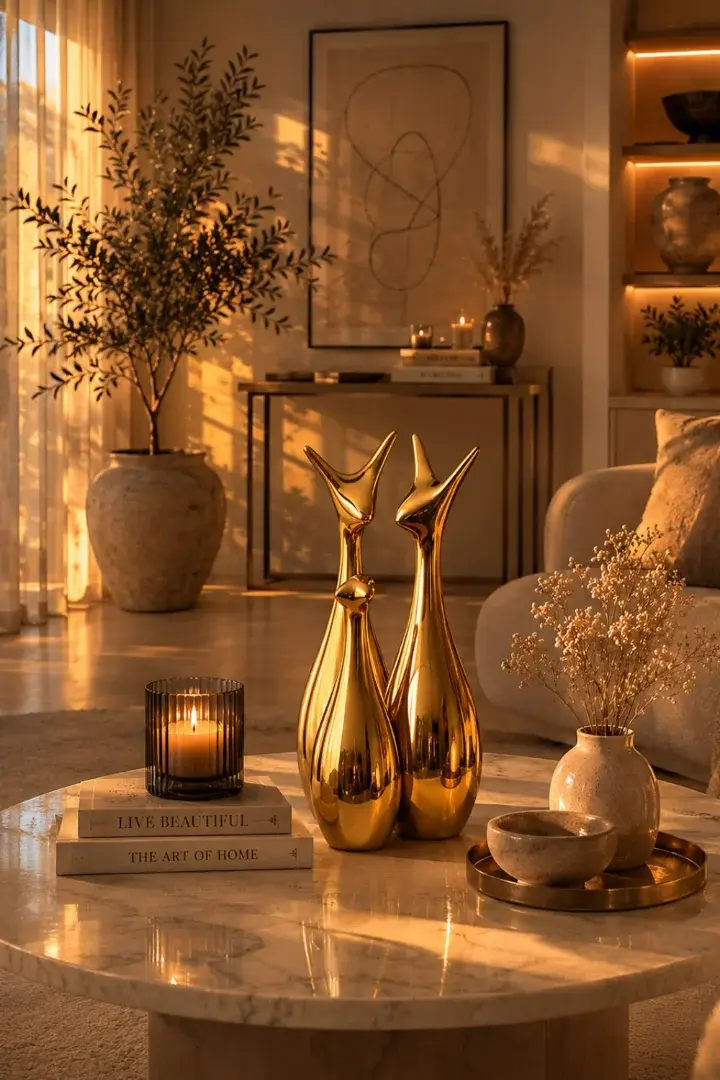
You can also add side tables, warm lighting, a suitable rug, and elegant accessories to make the space feel complete and inviting.
Balance Privacy and Hospitality
One of the most important parts of designing a home for both guests and family is separating public and private areas. Bedrooms, family lounges, and personal spaces should not be directly exposed from the entrance or guest area.
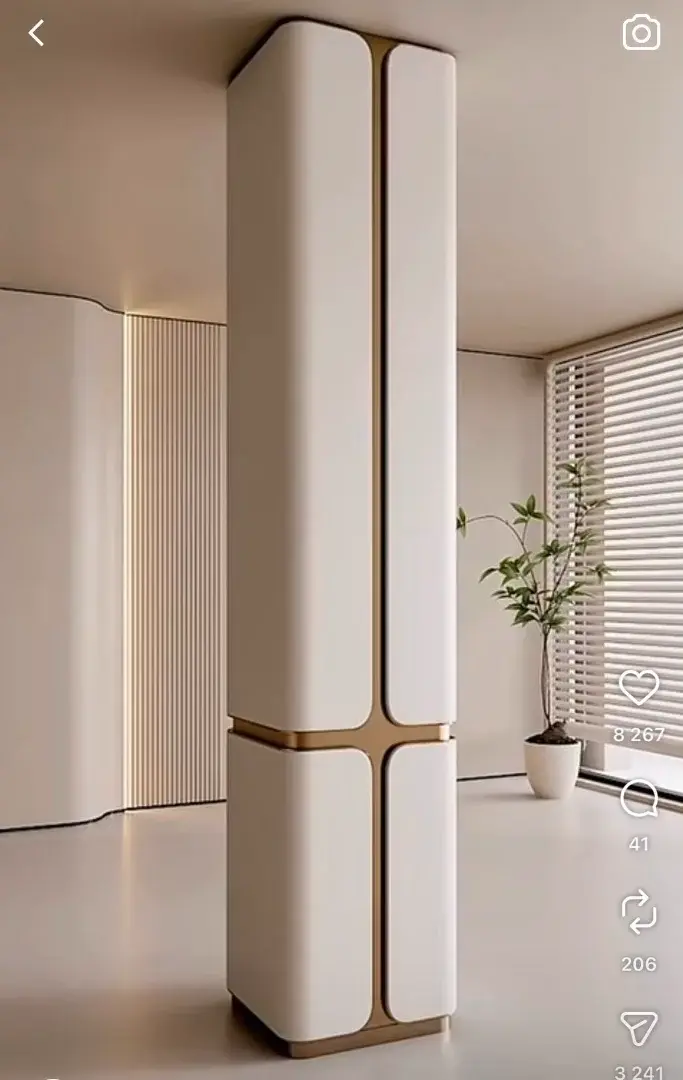
This can be achieved through smart planning, corridors, decorative partitions, sliding doors, or thoughtful furniture placement. The goal is to make guests feel comfortable while maintaining privacy for the family.
Choose Furniture That Is Beautiful and Practical
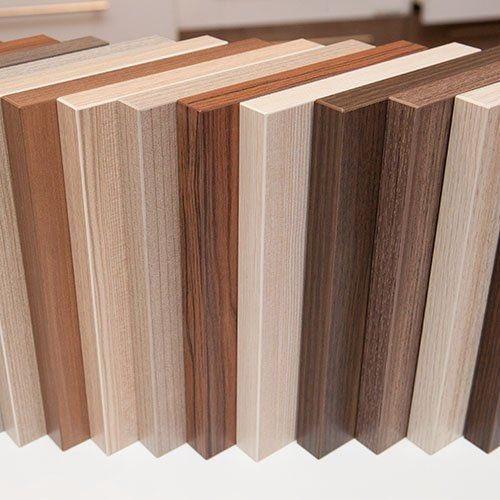
A family home needs furniture that looks good but also works well in daily life. Choose materials that are easy to clean and durable, such as stain-resistant fabrics, treated wood, or practical leather.
Avoid overly delicate pieces in high-use areas. Instead, keep the main furniture comfortable and functional, and add luxury through details such as lighting, accent tables, cushions, or decorative accessories.
Use Smart Storage Solutions
Clutter can quickly affect the appearance of a home, especially in busy family spaces. Smart storage helps keep the home organized and ready for guests at any time.
Consider built-in cabinets, TV units with hidden storage, entrance cabinets, coffee tables with storage, or benches with concealed compartments. These solutions make it easier to hide everyday items while keeping the space clean and elegant.
Design an Organized Entrance
The entrance creates the first impression of the home. It should be simple, elegant, and organized.
A console table, mirror, soft lighting, and a small storage unit for shoes or everyday items can make the entrance feel more welcoming. Keep this area free from clutter so guests immediately feel that the home is calm and well arranged.
Pay Attention to the Dining Area
If your home often welcomes guests and family gatherings, the dining area becomes an important part of the design. Choose a dining table that fits the space and allows comfortable movement around it.
The chairs should be comfortable, and the lighting above the table should add warmth and elegance. A sideboard, mirror, or decorative wall feature can also help make the dining area feel more refined.
Make the Kitchen Practical
The kitchen is one of the most used areas in the home, especially when hosting guests. It should be easy to move around, with enough storage and preparation space.
If the kitchen is open, make sure its design matches the rest of the living area. If it is closed, focus on creating easy access between the kitchen, dining area, and guest space.
Choose Calm and Elegant Colors
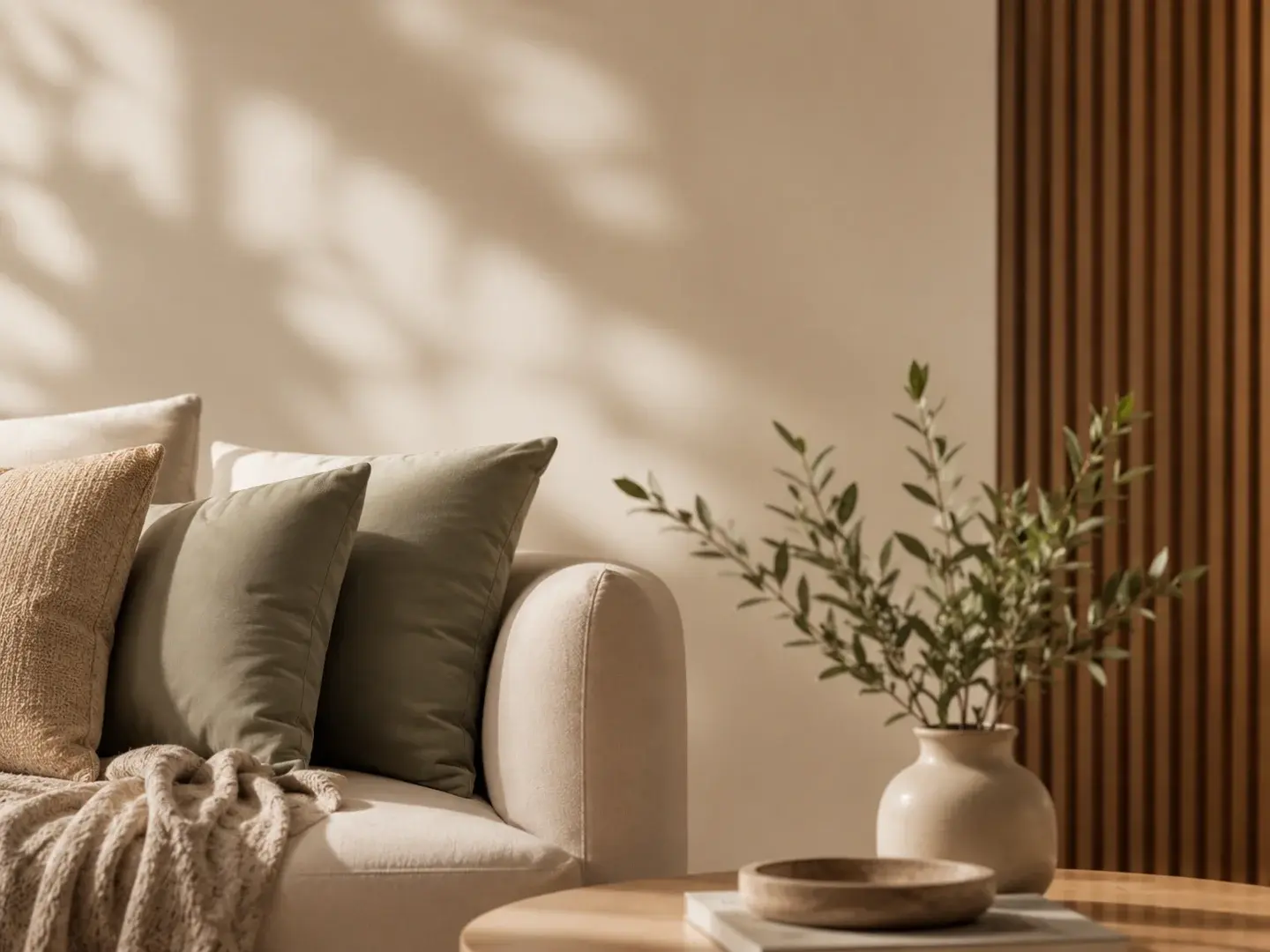
Colors play a major role in making a home feel comfortable and welcoming. Neutral tones such as beige, warm white, light gray, and earthy shades create a calm and timeless base.
You can add personality through cushions, rugs, artwork, plants, or accessories. This makes it easier to refresh the look of the home over time without changing the entire design.
Use Layered Lighting
Lighting can completely change the feeling of a home. A well-designed space should include different types of lighting, such as ceiling lights, wall lights, hidden lighting, table lamps, or floor lamps.
In guest areas, warm lighting creates a sense of comfort and elegance. In family areas, lighting should also be practical and suitable for reading, relaxing, or daily activities.
Consider Children’s Comfort and Safety
If there are children in the home, the design should be safe and practical without losing its elegance. Choose furniture with soft edges where possible, easy-to-clean materials, and clear walking paths.
You can also create a small kids’ corner or provide hidden storage for toys. This keeps the home organized while allowing children to feel comfortable in the space.
Add Personal Touches
A home should reflect the people who live in it. Add personal touches through family photos, books, artwork, plants, or meaningful decorative pieces.
However, avoid overcrowding the space with too many accessories. A few carefully selected items can add warmth and personality without making the home feel busy.
Conclusion
Designing a home that works for both guests and family requires a balance between beauty and practicality. The space should be elegant enough for hosting, comfortable enough for daily life, and organized enough to support a busy family routine.
By choosing durable furniture, smart storage, warm lighting, calm colors, and a thoughtful layout, you can create a home that feels welcoming to guests and truly comfortable for the people who live in it every day.