How to Choose the Right Materials According to Your Budget
A practical guide to choosing interior design and finishing materials according to your budget, while balancing quality, beauty, durability, and cost.
How to Choose the Right Materials According to Your Budget
Choosing the right materials is one of the most important steps in any interior design project. Materials do not only affect the final look of the space, but also the quality of execution, ease of maintenance, durability, and overall project cost.
Many people think that a beautiful interior always requires a high budget. However, the real secret is knowing where to invest more and where to use smart alternatives without compromising the overall design.
Start by Defining Your Priorities
Before choosing any material, you need to understand which areas are used the most. Spaces such as flooring, kitchens, bathrooms, and entrances usually need stronger and more durable materials because they are exposed to daily use.
For decorative walls, small corners, or less-used areas, you can choose more affordable alternatives that still give the space an elegant and stylish look.
Do Not Always Choose the Cheapest Option
The cheapest material is not always the most economical choice. Some low-cost materials may wear out quickly, require frequent maintenance, or need replacement after a short time.
It is better to choose materials with a reasonable price and acceptable quality, especially for areas that are used every day, such as floors, kitchen surfaces, doors, cabinets, and wall finishes.
Invest in the Main Materials
Some materials are worth investing in because they affect the durability and comfort of the space. These include:
Flooring, because it handles daily movement.
Kitchen countertops, because they are exposed to water, heat, and frequent use.
Kitchen cabinets and wardrobes, because they are used every day.
Doors, hinges, and hardware, because they affect long-term performance.
Wall paint in high-traffic areas.
Choosing good-quality materials for these elements helps reduce future maintenance problems and keeps the space looking better for longer.
Use Smart Alternatives to Luxury Materials
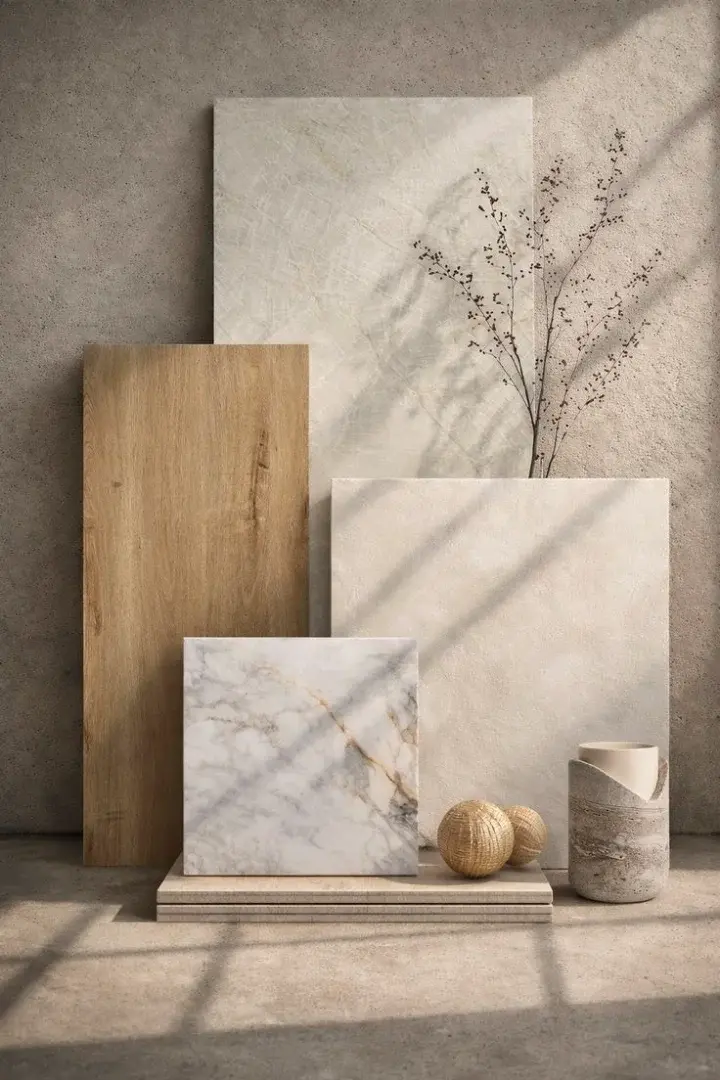
You do not need to use natural marble or solid wood everywhere to achieve a luxurious look. Today, there are many alternatives that offer a beautiful result at a lower cost. For example,
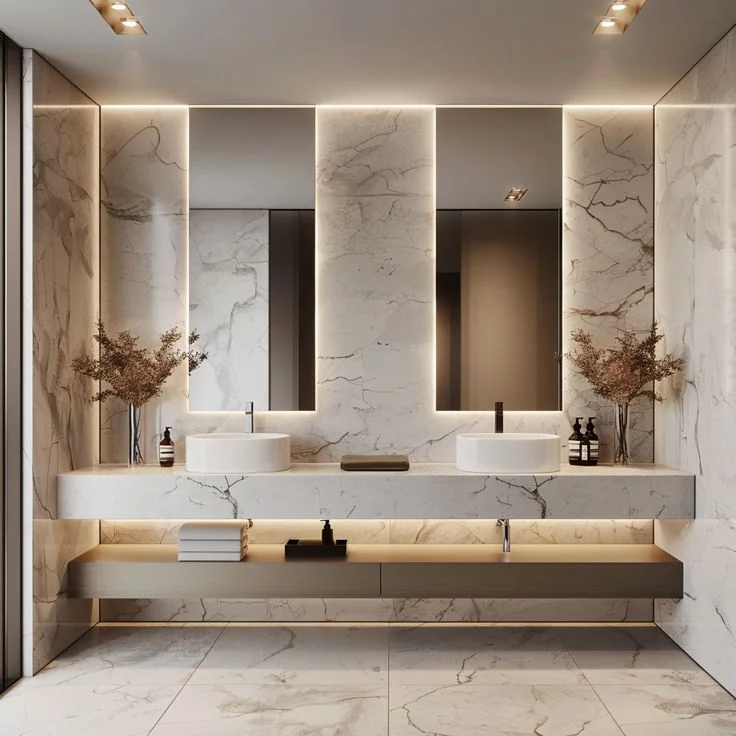
porcelain can be used instead of natural marble for floors and walls.
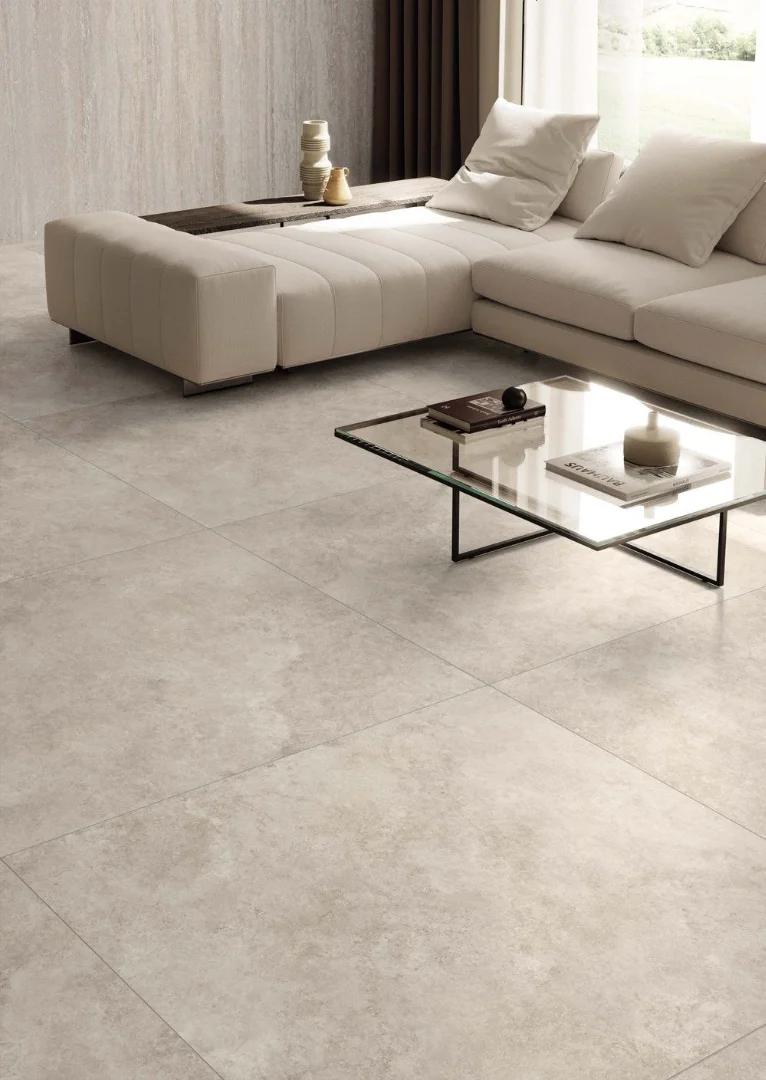
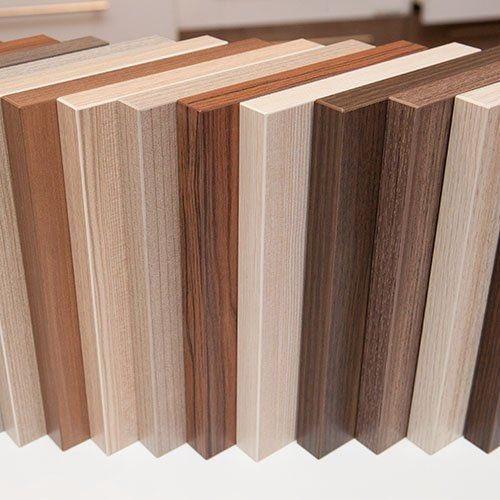
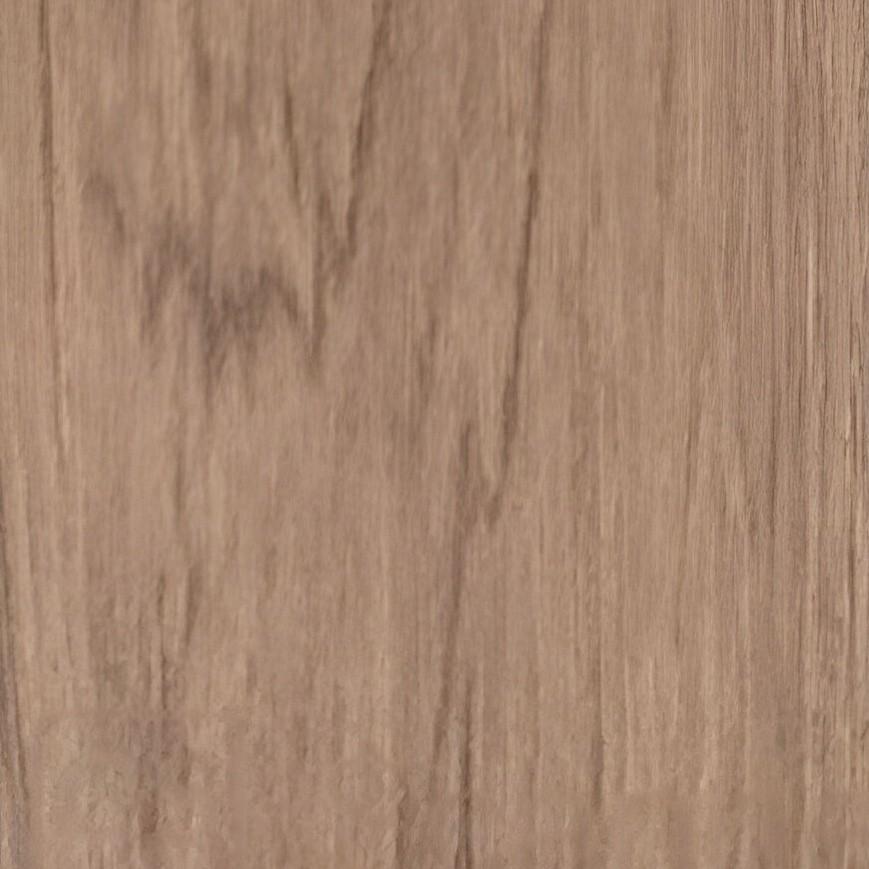
Wood alternatives can be used for wall cladding and decorative panels.
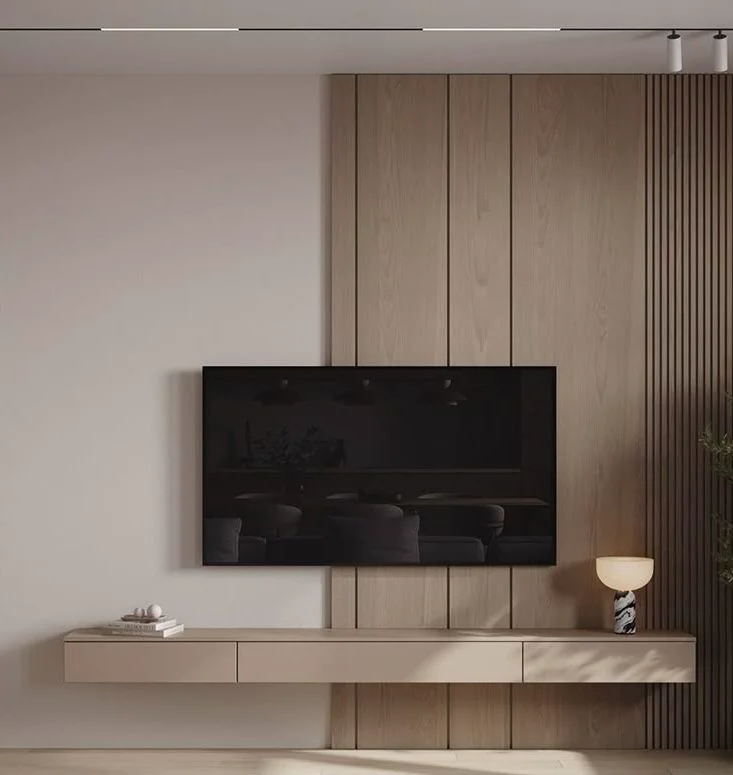
Marble alternatives are suitable for TV walls, bathrooms, and feature walls.
Wallpaper and decorative paint can also replace more expensive wall treatments.
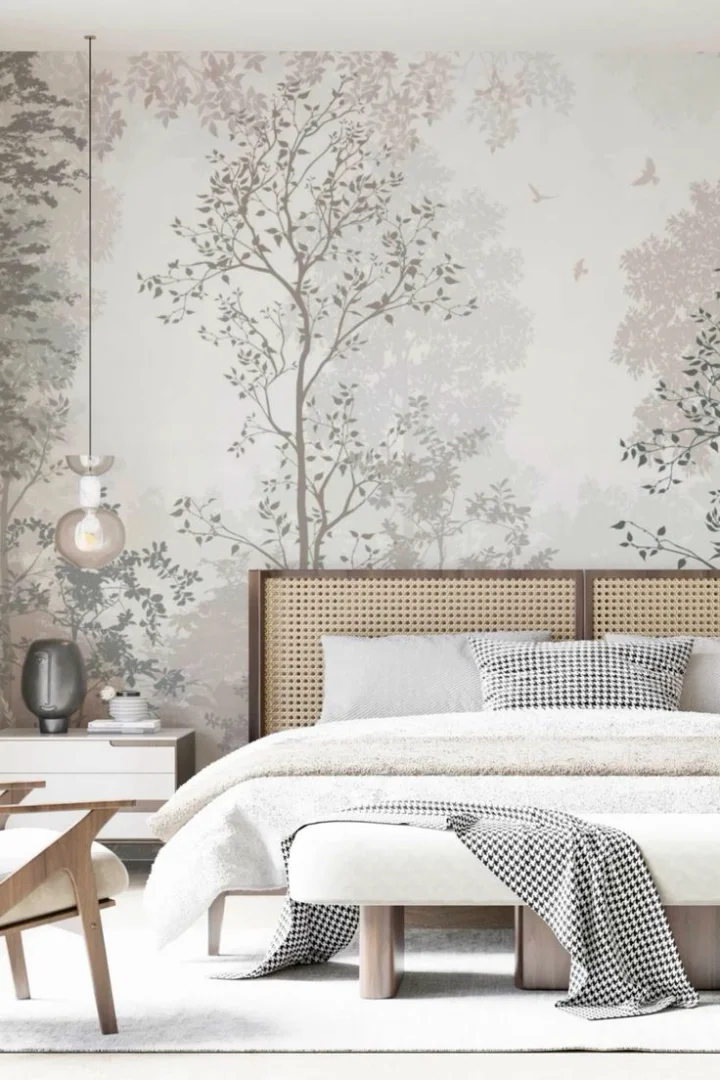
These options are ideal for medium budgets and can look elegant when the colors, patterns, and lighting are chosen carefully.
Choose Easy-to-Maintain Materials
When selecting materials, do not focus only on appearance. It is important to ask about cleaning, maintenance, and durability.
Some materials look beautiful but require constant care or can be easily affected by water, stains, or scratches. For family homes and high-use spaces, it is better to choose practical materials that are easy to clean and maintain.
Distribute Your Budget Wisely
Instead of using expensive materials everywhere, focus your budget on one or two important areas. For example, you can use a premium material for the TV wall, entrance, or main feature wall, and use simpler materials in the rest of the space.
This approach creates a strong visual impact without increasing the total project cost too much.
Make Sure the Materials Match
A successful design does not depend only on the price of the materials. It depends on how well the materials are coordinated together.
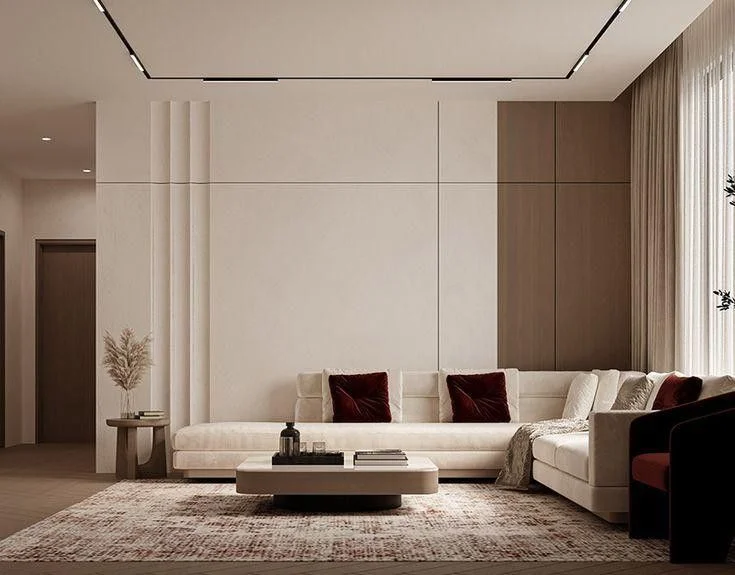
Simple materials can look elegant when the colors are balanced, the textures are harmonious, and the lighting is suitable. Try not to mix too many materials in one space. It is better to choose two or three main materials, such as wood, marble or marble alternative, and paint, then coordinate them in a calm and balanced way.
Do Not Ignore Execution Quality
Even the best materials can look poor if they are not installed properly. The quality of cutting, finishing, joints, and installation has a major effect on the final result.
For this reason, it is important to work with experienced professionals who understand how to handle the selected materials correctly.
Material Choices Based on Budget
For a limited budget, focus on good paint, practical flooring, and affordable alternatives for decorative walls.
For a medium budget, combine good-quality essential materials with elegant alternatives such as porcelain, wood alternatives, and marble alternatives.
For a higher budget, you can use natural materials such as marble, solid wood, stone, and custom-made details, while paying close attention to lighting and execution quality.
Conclusion
Choosing the right materials does not mean choosing the most expensive options. It means choosing what suits your lifestyle, budget, and design goals.
A successful interior design balances beauty, quality, practicality, and cost. Before making a decision, define your priorities, compare alternatives, and ask about maintenance and durability. This will help you create an elegant and practical space without exceeding your budget.