Costly Interior Design Execution Mistakes and How to Avoid Them
Discover the most common mistakes that can increase interior design execution costs, from poor planning and wrong material choices to inaccurate measurements and delayed lighting decisions, with practical tips to avoid them before starting your project.
Costly Interior Design Execution Mistakes and How to Avoid Them
Executing an interior design project is not only about choosing beautiful colors, elegant furniture, or stylish materials. It requires careful planning, accurate measurements, and clear coordination between all stages of work. Many mistakes may seem small at the beginning, but they can later lead to extra costs, delays, and results that do not match the original design.
In this article, we highlight the most common costly mistakes that happen during interior design execution and how to avoid them.
Starting Without a Clear Plan
One of the biggest mistakes is starting the execution phase without a complete plan. Choosing colors, materials, lighting, or furniture randomly during the project can lead to repeated changes and poor coordination.
A clear plan helps define the design direction, budget, materials, timeline, and order of work. This reduces the risk of rework and unnecessary expenses.
Not Setting a Budget From the Beginning
Without a clear budget, it becomes easy to overspend on decorative details and later discover that the essential items, such as flooring, lighting, carpentry, or furniture, are not fully covered.
It is better to divide the budget by priority: basic finishes first, then furniture, then accessories and decorative details. This makes the project easier to control financially.
Choosing the Wrong Materials
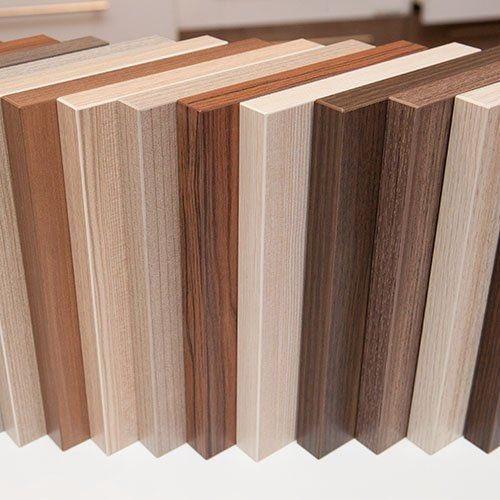
Some materials may look beautiful but may not be suitable for daily use or for the specific area where they are installed. For example, using delicate materials in high-traffic areas, wallpaper in humid spaces, or kitchen surfaces that do not resist heat and scratches can lead to future problems.
Material selection should balance beauty and practicality. Each space has different needs depending on durability, cleaning, moisture, and daily usage.
Ignoring Measurements Before Buying
Buying furniture or storage units without accurate measurements can cause major problems. A piece may look perfect in a showroom or online photo, but it may be too large, too small, or difficult to fit into the actual space.
Before buying anything, measure the room, wall heights, door openings, walkways, windows, and access points. Accurate measurements save time, money, and effort.
Planning Lighting Too Late
Lighting is an essential part of interior design, not a final detail. Deciding on lighting placement after finishing ceilings, walls, or paint may require breaking or reworking finished areas.
It is important to decide the locations of ceiling lights, hidden lighting, wall lights, chandeliers, and switches before starting gypsum, electrical, or painting work.
Poor Coordination Between Electrical and Plumbing Work
Changing the location of sockets, switches, TV points, internet points, or plumbing after finishing can be very expensive. These details should be planned according to the furniture layout and appliance locations.
For example, the bed location affects bedside sockets, the TV wall affects power and internet points, and the kitchen layout affects plumbing and electrical connections.
Choosing Paint Colors Only From a Catalog
Paint colors can look very different on a real wall compared to a small catalog sample. Lighting, room size, flooring, and furniture all affect how the color appears.
The best approach is to test the color on a small part of the wall and observe it at different times of the day before applying it to the entire space.
Overusing Decorative Details
Too many decorative elements can make the space feel crowded and increase the cost without adding real value. Excessive gypsum work, patterns, mirrors, textures, and lighting can weaken the overall look instead of improving it.
A successful design depends on balance. Sometimes, simple and well-planned details look more luxurious than too many elements.
Copying Online Inspiration Without Adapting It
Using online images for inspiration is helpful, but copying a design exactly without considering the real space can lead to impractical results. A design that works in a large villa may not suit a small apartment.
Every idea should be adapted to the size of the space, ceiling height, natural light, lifestyle, and daily needs.
Not Following Up During Execution
Even with a good design, mistakes can happen during execution due to misunderstanding, inaccurate measurements, or using materials that do not match the approved selection.
Regular follow-up helps ensure that each stage is completed correctly and that any changes are reviewed before they become costly problems.
Choosing the Cheapest Contractor Only
Choosing the lowest price may seem like a good way to save money, but it can lead to poor finishing, weak materials, delays, or even redoing the work later.
It is better to choose based on quality, experience, clear pricing, and commitment to deadlines — not price alone. Sometimes paying slightly more at the beginning saves more money in the long run.
Forgetting Storage and Daily Needs
A beautiful space is not enough if it does not support daily life. Ignoring storage, appliance locations, and practical organization can make the home look messy shortly after completion.
Good interior design should be both stylish and functional. It should reflect the lifestyle of the people using the space every day.
Conclusion
Interior design execution mistakes can become expensive when there is no proper planning from the start. Setting a clear budget, choosing suitable materials, reviewing measurements, planning lighting and electrical points early, and following up during execution can save a lot of time and money.
A successful interior design project is not only about good taste. It also depends on planning, accuracy, and understanding the real needs of the space.