A Calm Mind Starts at Home: How an Organized Space Brings Peace and Focus
Have you ever noticed how tidying your room instantly clears your head too? Or how clutter makes you feel restless, even if you’re not consciously paying attention to it? It’s not your imagination — your home and your mind are deeply connected. Your surroundings can either drain your energy or recharge your spirit. A messy home can overwhelm your thoughts, while an organized, well-balanced space can restore calm and focus. In this article, we’ll explore the fascinating link between interior design and mental wellness, and how simple changes at home can help you feel more grounded, inspired, and at peace.
A Calm Mind Starts at Home: How an Organized Space Brings Peace and Focus
Have you ever noticed how tidying your room instantly clears your head too?
Or how clutter makes you feel restless, even if you’re not consciously paying attention to it?
It’s not your imagination — your home and your mind are deeply connected.
Your surroundings can either drain your energy or recharge your spirit. A messy home can overwhelm your thoughts, while an organized, well-balanced space can restore calm and focus.
In this article, we’ll explore the fascinating link between interior design and mental wellness, and how simple changes at home can help you feel more grounded, inspired, and at peace.
1. When Clutter Overwhelms the Mind
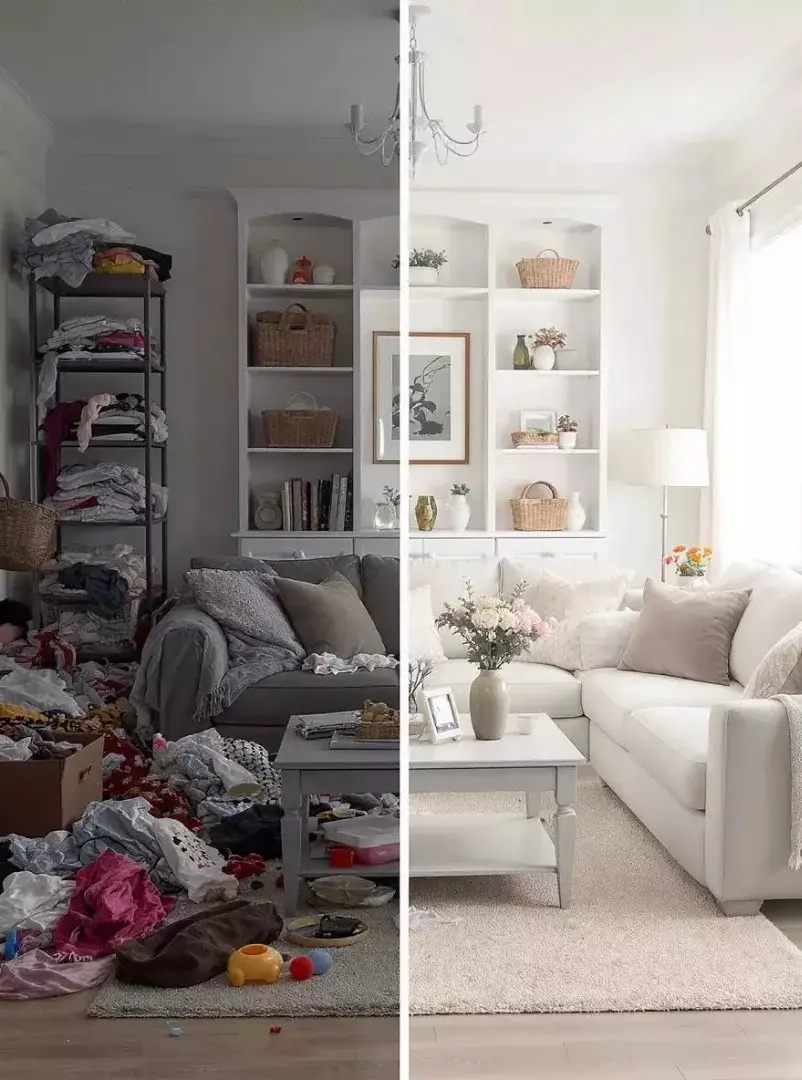
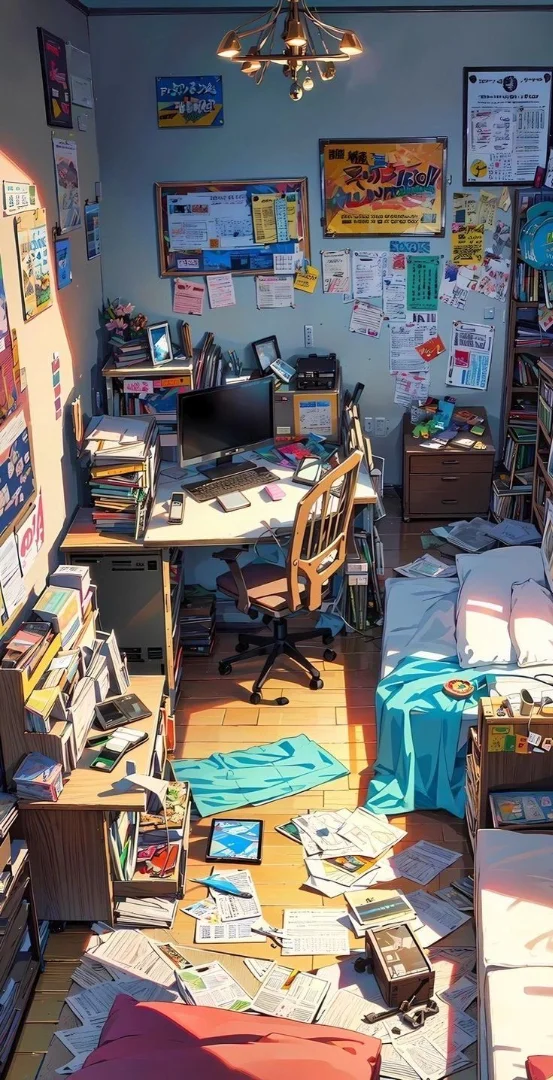
Visual clutter is like background noise for the brain — it tires you out without you realizing it.
Scattered papers, mismatched objects, or overcrowded shelves all send stress signals to your subconscious.
When your surroundings are chaotic, your brain feels as though it has unfinished tasks everywhere it looks, leading to mental fatigue and poor focus.
But once everything has its place, your mind can finally breathe and organize itself.
Try this small experiment: clear one surface — maybe your desk or a bedside table — and sit quietly for a minute.
Notice how even that small order brings an instant sense of ease.
2. Organization as a Form of Self-Care
Keeping your home organized isn’t just about aesthetics — it’s about mental clarity and control.
When every item has a home, you waste less energy searching, stressing, or feeling overwhelmed.
It’s not about perfection; it’s about creating flow.
Start small:
Get rid of what you don’t use.
Use elegant storage boxes or baskets to hide the visual noise.
Adopt the “one in, one out” rule — for every new item you bring in, remove an old one.
Over time, these habits turn tidying into a soothing ritual — not a chore.

3. Colors and Light: The Silent Mood Makers
Colors and lighting affect your emotions more than you think.
Soft neutrals like beige, white, and powder blue bring serenity and space.
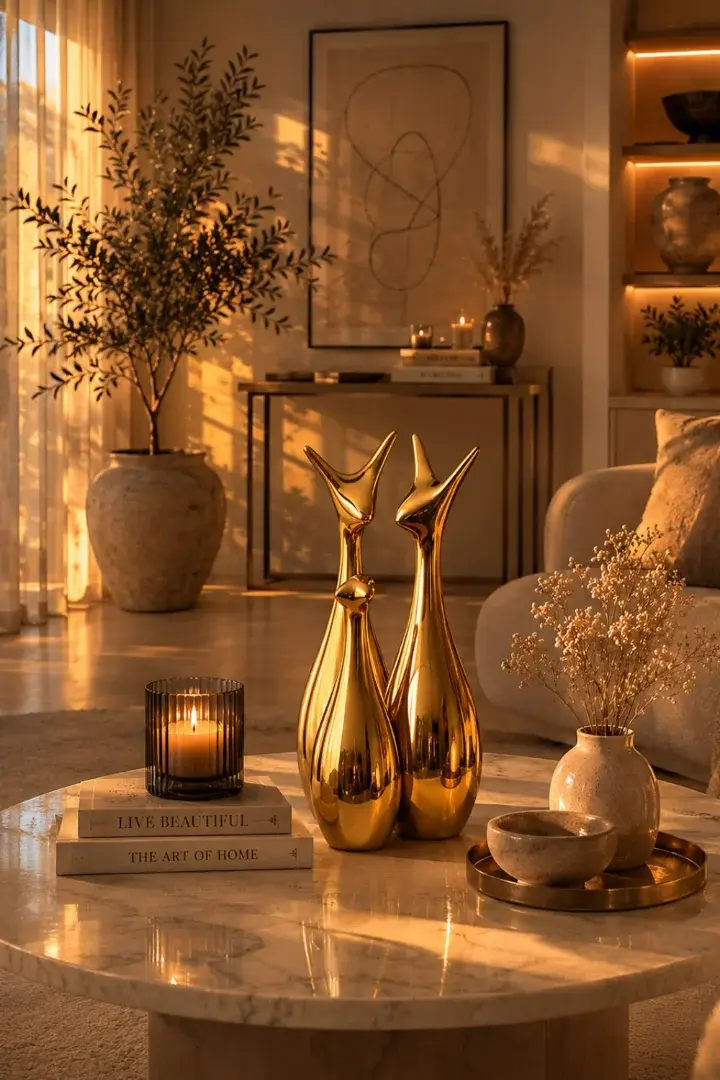
Warm tones like amber, sand, or gold create coziness and emotional warmth.
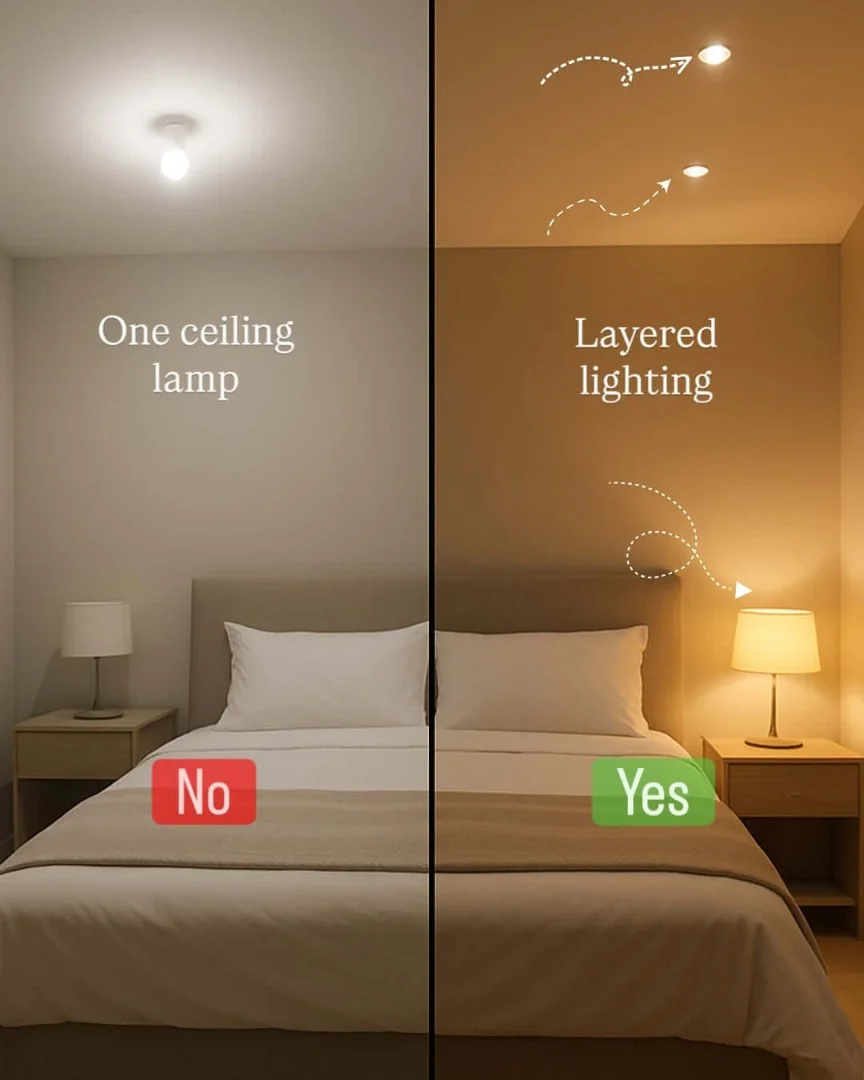
Natural sunlight boosts energy and happiness, while gentle evening lighting invites relaxation.
Light isn’t just for seeing — it’s for feeling. The right lighting design can transform your energy and the entire mood of your home.
4. The Beauty of Empty Space
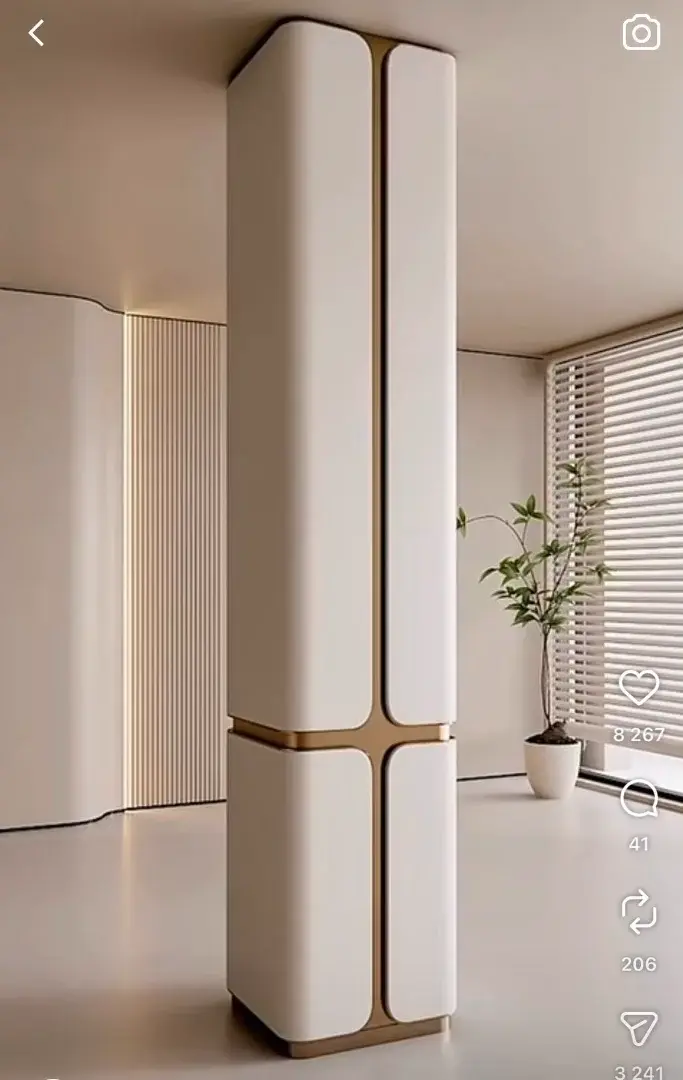
Many people think a beautiful home must be full of furniture and décor, but in truth, empty space is what makes a room breathe.
Negative space — the areas you don’t fill — gives the eyes and mind a moment to rest.
Avoid overcrowding walls or corners. Let your furniture have space around it.
A good design isn’t about adding more; it’s about knowing when to stop.
Sometimes, silence — and space — are the most elegant parts of design.
5. Scents and Cleanliness: The Invisible Comfort
Smell is one of the most powerful emotional triggers.
A fresh, clean scent can shift your mood within seconds.
Try infusing your space with lavender, vanilla, jasmine, or sandalwood — scents known for their calming effects.
Cleanliness also plays a huge psychological role.
A freshly cleaned space brings a sense of renewal and mental refreshment, like starting the day with a deep breath.
6. Personal Touches: The Soul of the Space
A calm home isn’t sterile — it’s alive with meaning.
Add pieces that tell your story: a framed photo, a handmade item, a souvenir from a trip, or an artwork you love.
These details create an emotional bond between you and your space, making your home feel warm, real, and truly yours.
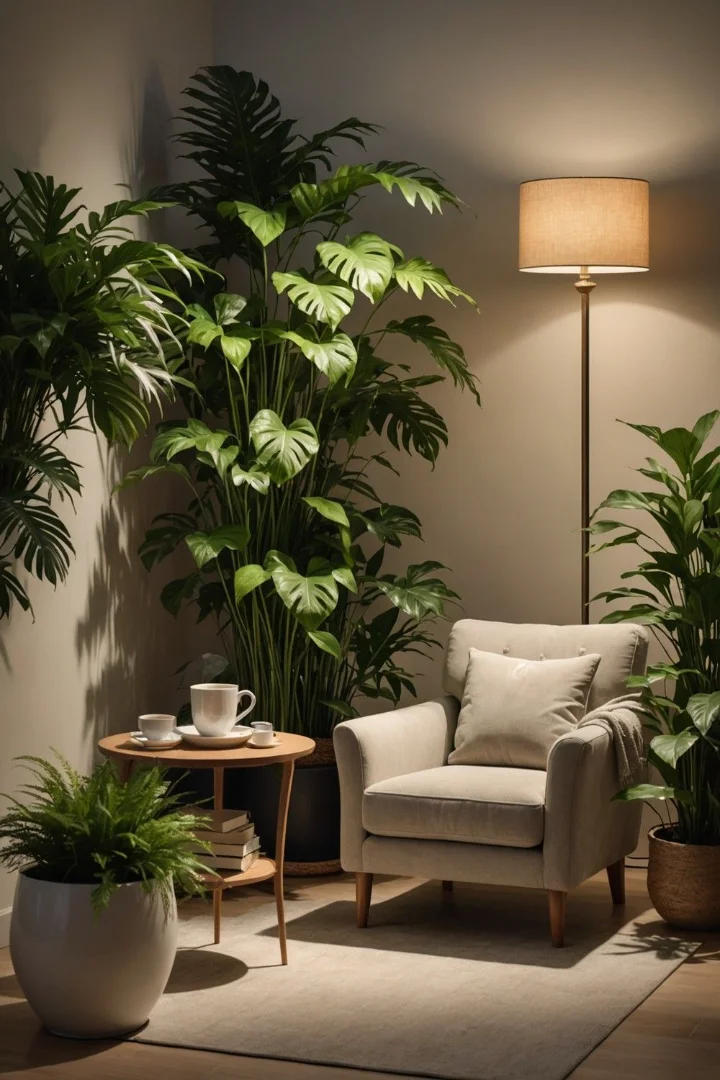
7. Plants: A Natural Cure for Stress
Adding greenery to your home instantly softens the atmosphere.
Plants don’t just decorate; they purify the air and uplift your mood.
Even a small succulent or snake plant on your desk can bring life and calm to your day.
Green is the color of balance — and the presence of plants is a constant reminder to slow down and breathe.
Conclusion: When You Organize Your Home, You Organize Your Mind
Your home is not just a physical space — it’s an emotional ecosystem that reflects your inner world.
Every time you tidy up a shelf, clear a surface, or open a window, you’re not just improving your home — you’re realigning your thoughts and emotions too.
Start small: tidy one area, light a candle, add a soft color, or bring in a plant.
Soon, you’ll discover that a peaceful home doesn’t just look beautiful — it feels like a deep exhale for the soul.